


Whether you’re a seasoned procurement professional or new to the field, understanding the Source-to-Pay (S2P) process is crucial in today’s fast-paced business environment. In this blog post, we’ll dive into the nuances of what S2P really entails, explore its myriad benefits, and unpack best practices for the successful implementation of an S2P platform that plays well with your existing technology stack.
Key Takeaways
- The S2P process unifies strategic sourcing, procurement, and payment into a single, end-to-end workflow that improves efficiency, reduces costs, and strengthens supplier relationships.
- Automation and digital source-to-pay tools like Ivalua’s S2P platform help organizations eliminate manual inefficiencies and ensure compliance, while providing gain real-time insights across the procurement lifecycle.
- Successful S2P transformation depends on seamless integration with existing systems and strong change management practices to drive user adoption and long-term value.
Understanding the Source-to-Pay Process
The Source-to-Pay Process is a comprehensive approach that encompasses all activities from the initial sourcing of goods and services to the final payment. This end-to-end process is integral to effective procurement and supply chain management, ensuring that organizations acquire goods and services in the most efficient and cost-effective manner.
The S2P process is characterized by a strategic approach to procurement that focuses on long-term goals, cost efficiency, supplier relationships, risk management, and alignment with broader business objectives. This contrasts with a purely operational approach, which would focus mainly on the day-to-day tasks of ordering and paying for goods and services.
The ultimate goal of Source-to-Pay is to optimize procurement processes, minimize costs, and ensure that an organization receives the goods and services it needs in a timely and cost-effective manner while maintaining good supplier relationships with low risk and optimal performance. S2P is not a static process; it involves continuous evaluation and improvement. Organizations must adapt their procurement strategies based on changing market conditions, new technologies, and internal business needs.
What Is Source-to-Pay (S2P)?
Source-to-Pay (S2P) refers to the end-to-end process that connects strategic sourcing activities with transactional procurement and financial settlement. It spans everything from analyzing organizational spend and selecting suppliers to managing contracts, purchasing goods and services, receiving them, and ultimately paying suppliers. By integrating upstream sourcing decisions with downstream execution, S2P ensures that procurement strategies are consistently translated into compliant, value-driven purchasing outcomes.
Source-to-Pay vs Procure-to-Pay
The key distinction between Source-to-Pay and Procure-to-Pay (P2P) is that S2P includes strategic sourcing activities upfront, while P2P focuses primarily on transactional execution.
Source-to-Pay vs Procure-to-Pay vs Source-to-Contract
| Process | Scope | Primary Focus |
| Source-to-Pay (S2P) | End-to-end, from spend analysis to supplier payment | Strategic sourcing, compliance, value realization |
| Procure-to-Pay (P2P) | From requisition to invoice payment | Transactional efficiency and financial control |
| Source-to-Contract (S2C) | From sourcing to contract execution | Supplier selection and contract optimization |
In short, S2P provides a holistic framework that ensures sourcing decisions directly govern purchasing behavior and financial outcomes, rather than operating in disconnected silos.

Pro Tip
For a deeper comparison, see our detailed guide on Source-to-Pay vs Procure-to-Pay.
What Are the 8 Steps in the Source-to-Pay Process?
The following source-to-pay process steps form a continuous, integrated cycle that aligns procurement strategy with execution and financial governance.
1. Spend analysis
Spend analysis: Spend analysis establishes a fact-based foundation for all sourcing and procurement decisions. It involves consolidating spend data across systems, categories, and business units to understand where money is being spent, with which suppliers, and under what conditions. By improving data accuracy and classification, organizations can identify consolidation opportunities, maverick spend, savings potential, and compliance gaps that directly inform sourcing strategies and budget planning.
2. Sourcing
Sourcing: Strategic sourcing translates spend insights into competitive supplier selection. Procurement teams define requirements, issue RFIs or RFPs, evaluate supplier responses, and conduct negotiations to secure optimal value. This step balances cost, risk, sustainability, and performance criteria while ensuring alignment with business objectives. Effective sourcing decisions upstream significantly influence downstream efficiency, compliance, and total cost of ownership.
3. Supplier Management
Supplier Management: Supplier management provides continuous oversight across the supplier lifecycle. It includes onboarding, master data management, risk and compliance monitoring, and performance evaluation. A centralized, 360-degree view of supplier information enables procurement teams to mitigate risk, ensure regulatory compliance, and foster stronger collaboration with strategic suppliers throughout the source-to-pay cycle.
4. Contract Authoring & Negotiation
Contract Authoring & Negotiation: This step formalizes sourcing outcomes into enforceable agreements. Procurement and legal teams collaborate to draft contracts, negotiate terms, define pricing structures, and establish service levels. Once approved, contracts are activated and made accessible for purchasing, ensuring negotiated conditions are systematically enforced and reducing contract leakage across the organization.
5. Purchasing
Purchasing: Purchasing operationalizes contracts and sourcing decisions through requisitions and purchase orders. Users submit needs via guided buying or intake processes, and approved requests generate POs aligned with contracted terms or approved suppliers. This step ensures policy compliance, budget control, and traceability, even in cases where purchases occur outside of pre-negotiated contracts.
6. Goods receipt & Quality Check
Receiving and quality management verifies that delivered goods or services meet contractual and operational requirements. Goods receipts and service confirmations document delivery accuracy, quantities, and quality standards. This step is essential for protecting the organization from overbilling, defective deliveries, and performance issues, and it serves as a critical control point before invoice approval
7. Invoice Processing & Reconciliation
Invoice Processing and Reconciliation: Invoice processing ensures financial accuracy through automated matching of invoices with purchase orders and goods receipts. Three-way matching validates price, quantity, and terms, significantly reducing errors and fraud. Automated workflows accelerate exception handling, improve audit readiness, and shorten invoice cycle times while maintaining strict compliance controls.
8. Payment
Payment: Payment completes the source-to-pay cycle by settling approved invoices according to agreed terms. Timely, accurate payments strengthen supplier relationships and support early payment discount strategies. Integrated payment processing also improves cash flow visibility and ensures alignment between procurement activities and finance operations.
Benefits of an Automated Source-to-Pay Process
S2P automation plays a pivotal role in automating and enhancing the efficiency of Procurement teams to achieve better visibility and control over spend management activities. Source-to-Pay automation can transform how organizations manage their sourcing activities, including:
- Increased Efficiency: Automation streamlines the entire S2P process, from sourcing to payment, reducing the time and effort required for manual tasks.
- Cost Reduction: Source-to-Pay automation reduces costs by enabling organizations to analyze spending patterns and supplier performance, and reducing labor costs associated with manual processing and errors.
- Enhanced Accuracy and Compliance: Source-to-Pay Automation ensures accuracy in transactions and compliance with internal policies and external regulations, as automated systems are programmed to follow set standards and guidelines.
- Improved Supplier Relationships: By automating routine tasks, organizations can focus more on strategic aspects of supplier relationship management, ensure timely payments and communicate more efficiently with suppliers.
- Data-Driven Insights and Decision Making: Automated S2P systems provide valuable data analytics and reporting capabilities for insights into spending trends, supplier performance, and market dynamics.
- Risk Management: Source-to-pay automation helps to monitor supplier performance, ensure contract compliance, and detect anomalies in procurement transactions.
According to Forrester Consulting’s Total Economic Impact™ (TEI) study, Source-to-Pay automation with tools like Ivalua’s Procurement Platform can lead to $24.2 million in procurement efficiencies over three years.
Cutting-edge S2P solutions allow for:
- Automation of sourcing and contracting tasks, cutting cycle times by as much as 40%.
- Overall procurement and AP operating cost reductions of 20-30% from higher automation.
- Increased procurement cost savings ranging between 2.25% and 2.35% annually.
Best Practices for Source-to-Pay Software Implementation
When implementing S2P technology, it’s critical to take into consideration best practices for managing integration issues and change effectively as you roll out the new system.
Integration Issues
Many S2P solutions look tightly integrated in the user interface only to find that they often have a mix of data models and underlying technologies under the hood. This can put a limit on the level of automation that can be achieved across S2P and have the team spend time working on syncing data and processes versus more valuable activities.
Many organizations have a complex IT infrastructure comprising various legacy systems, ERP platforms, and specialized tools. Integration difficulties may lead to data silos, where information is not effectively shared across systems, resulting in inefficiencies and a lack of cohesive visibility into procurement activities due to data inconsistencies and synchronization.
Additionally, integration often requires custom development work to bridge the gap between different technologies, for example creating APIs or using middleware, requiring technical expertise. Moreover, integration isn’t a one-time task; it requires ongoing maintenance and updates to ensure compatibility with system upgrades or changes in business processes.
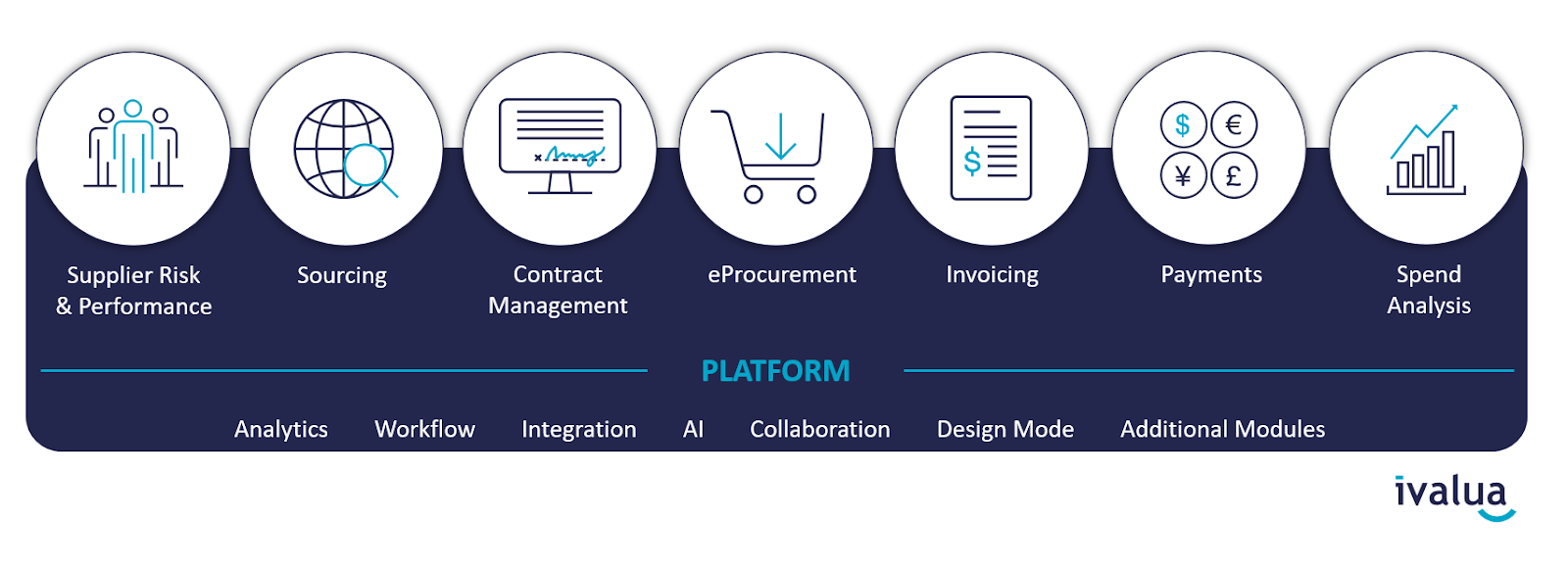
Partnerships that enable these integrations are essential. Ivalua’s S2P Platform is designed to seamlessly integrate with a wide range of systems and applications, including ERP systems, financial software, and third-party applications, Ivalua’s S2P platform enables smooth data exchange and process synchronization with our built-in Integration Hub, helping organizations to consolidate their procurement data and workflows.
S2P Software Integration Best Practices:
- Have a clear integration strategy
- Involve IT experts early in the implementation process
- Choose an S2P platform known for its integration capabilities
Change Management
Employees accustomed to traditional procurement processes might be hesitant to adopt a new S2P system, especially if they perceive it as complex or threatening to their current role. This resistance can manifest as a lack of engagement, reluctance to learn the new system, or even outright opposition, hindering the smooth transition to the new platform.
An S2P platform often brings in new functionalities and workflows, requiring users to acquire new skills, as well. Inadequate training can lead to platform underutilization, errors, and employee frustration.
Additionally, effective communication is crucial to ensure that everyone understands the reasons for the change, the benefits of the new system, and how it will impact their individual roles. Without clear and ongoing communication, misconceptions can arise, reducing buy-in and support.
S2P Software Change Management Best Practices:
- Employ a comprehensive change management strategy that involves key stakeholders
- Provide tailored training and support programs
- Look for built-in souce-to-pay digitization capabilities
- Ensure clear, transparent communication
Case Study: BELL Successfully Implements Ivalua’s S2P Platform
BELL, a major telecommunications company in Canada, recently implemented a global overhaul of its expense management system, overcoming an array of theoretical and technical challenges. They needed to support a significant number of concurrent users and numerous types of expenses, and encourage instant user adoption though a simple, efficient user interface. Seamless integration with existing systems and configurable approval workflows were essential, as well as the ability to handle large volumes of sensitive customer data.
Working with Ivalua partner OJC Consulting, Bell was able to deploy the Ivalua Expense Module for all of its 55,000 employees, with zero critical issues and 100% customer satisfaction. With Ivalua, Bell has saved money by reducing maintenance and sales tax, while providing a better procurement experience for employees.
“Our ‘Expense’ project has been a revelation: Bell executives realized the potential of the Ivalua solution and leveraged OJC Consulting’s expertise to fully rethink our Expense management processes.” – Jean Ratelle Associate Director, e-Sourcing BELL
Read the full case study: BELL Successfully Implements Ivalua’s S2P Platform.
2026 Trends in Source-to-Pay Technology
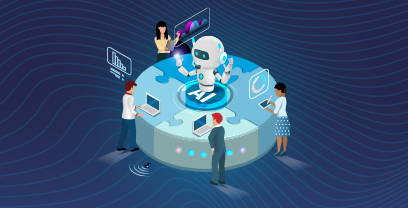
By 2026, Source-to-Pay technology will be increasingly defined by AI in sourcing and procurement, combining advanced decision intelligence, predictive analytics, and semi-autonomous workflows that augment human expertise rather than replace it. Gen AI and Agentic AI will play a central role across upstream and downstream S2P activities, enabling AI agents to support category strategy development, scenario-based sourcing decisions, contract drafting and clause optimization, as well as continuous supplier risk detection based on internal and external data signals. These AI agents will operate within governed frameworks, executing defined tasks while keeping procurement teams in control of strategic outcomes.
At the platform level, cloud-native, AI-powered S2P solutions will become the norm, offering greater scalability, faster innovation cycles, and seamless global deployment across regions and business units. As supply chains will continue to be impacted by tariffs and trade policy shifts, climate change and other disruptions these platforms will increasingly function as both a system of record and a system of intelligence for procurement, integrating ESG, compliance, and financial data to support regulatory readiness and enterprise-wide decision-making. Together, these trends will position Source-to-Pay as a strategic control tower for spend, risk, and supplier value creation across the organization.
Unlock the latest procurement intelligence — and discover how top teams are transforming through AI in our latest report “From Risk to Resilience – Supercharging Procurement with Agentic AI”
Digitize Source-to-Pay with Ivalua
As your organization faces the challenges of increasing complexity, risk, and expectations, managing spend is essential. Source-to-Pay transformation is a necessary step toward achieving this goal, because it enables you to reduce costs, improve supplier management and relationships, and minimize risk throughout the Procurement lifecycle.
Ivalua’s Source-to-Pay software delivers rapid value with quick deployment packages to get you up and running quickly, seamless integrations to any back-end systems, and a supplier-friendly model that ensures rapid onboarding and a great user experience.
Simplify Procurement With Ivalua's Unified Source-to-Pay Platform
FAQs
The S2P process is an end-to-end procurement workflow that spans all activities from strategic sourcing and supplier management, to purchasing and final payment. It helps organizations optimize costs, ensure compliance, and build stronger supplier relationships through a unified, strategic approach.
The S2P cycle includes spend analysis, sourcing, supplier management, contract negotiation, purchasing, receiving, invoice processing, and payment. Each step is designed to improve efficiency and reduce risk, and align procurement activities with broader business goals.
P2P focuses on transactional procurement activities such as purchasing, invoicing, and payment, while S2P includes strategic sourcing and supplier management in addition to those functions. S2P vs. P2P offers a more holistic, value-driven approach to procurement that emphasizes supplier performance and long-term savings.
Organizations use Source-to-Pay platforms like Ivalua to automate sourcing events, manage supplier data, streamline purchasing, and integrate with ERP systems for payment. These tools provide visibility, analytics, and control across the entire procurement lifecycle.
The core components of S2P include spend analysis, sourcing, supplier management, contract management, purchasing, receiving, invoice processing, and payment, all supported by integrated data and governance.
Organizations typically achieve ROI within 12–18 months through sourcing savings, reduced process costs, improved compliance, and lower risk exposure across the procurement lifecycle.
Further Reading
- What is Source-to-Pay (S2P)? Process, Definition and Examples
- Analyst Report: 2025 Gartner® Magic Quadrant™ for Source-to-Pay Suites
- Source-to-Pay vs. Procure-to-Pay: Understanding the Differences
- Common Challenges in S2P Projects and How to Overcome Them
- Shaping the Future of Procurement: The Role of S2P Innovators