

Sustainable Procurement Software Reduce the Environmental Impact of Your Spend
Embed sustainability directly into sourcing, purchasing, and supplier decisions with environmental impact data.
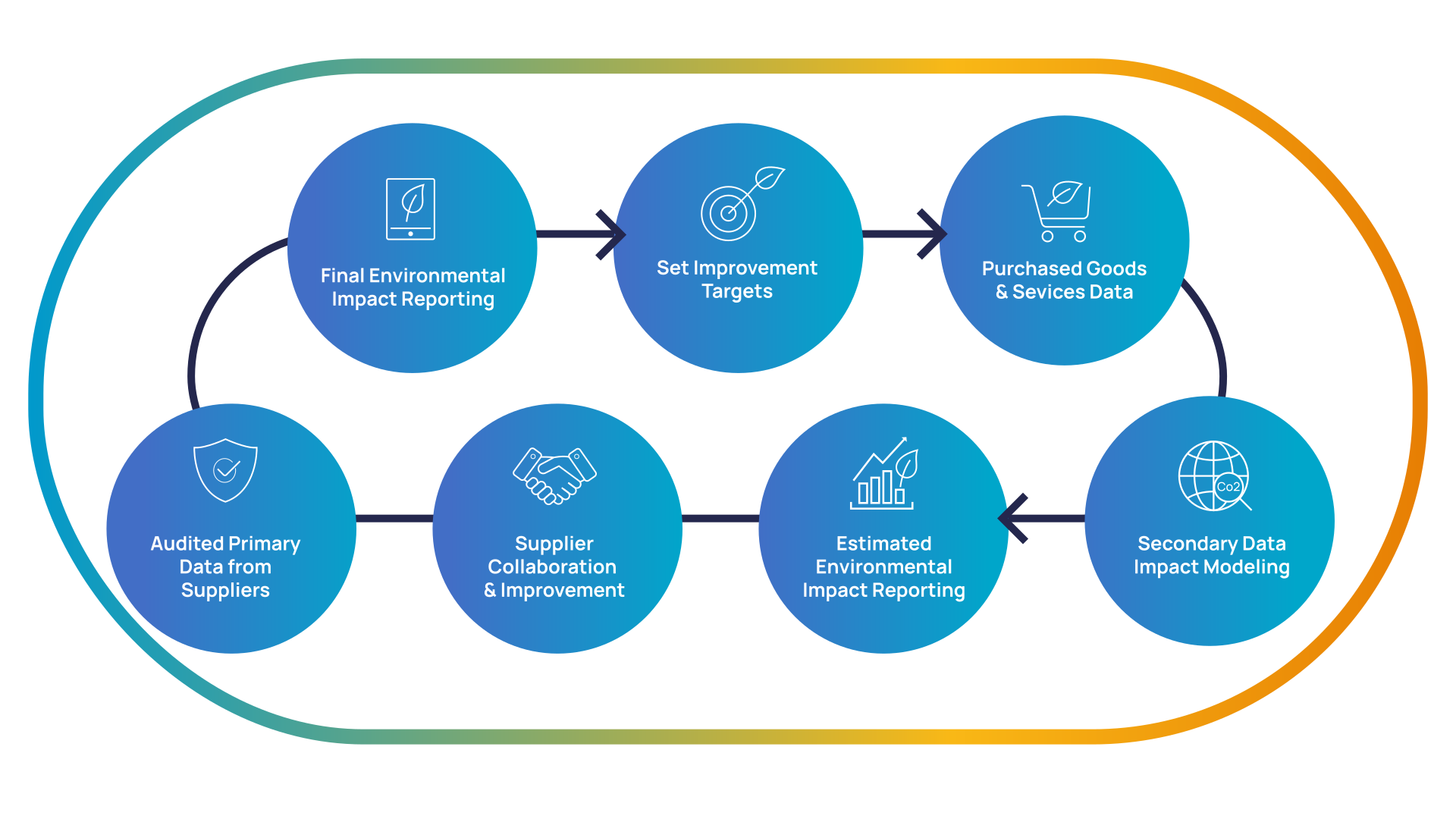
Turn Procurement into a Sustainability Engine
Ivalua’s Environmental Impact Center (EIC) helps procurement teams manage their suppliers environmental impact while supporting ESG requirements with transparent data embedded directly into Source-to-Pay operations.

Procurement-Led Sustainability Program
Put sustainability data at the center of sourcing, purchasing, and supplier management decisions—where procurement teams already operate.

Trusted, Audit-Ready Environmental Data
Establish transparent supplier impact data with verified sources, consistent models, and full traceability.

Sustainability Across All Spend
Turn insights into action. Drive measurable environmental impact reductions across your entire Source-to-Pay lifecycle.
Drive Sustainable Supply Chains and Reduce Your Environmental Impact
Environmental Impact Management
Establish Transparent and Verifiable Environmental Impact Baseline
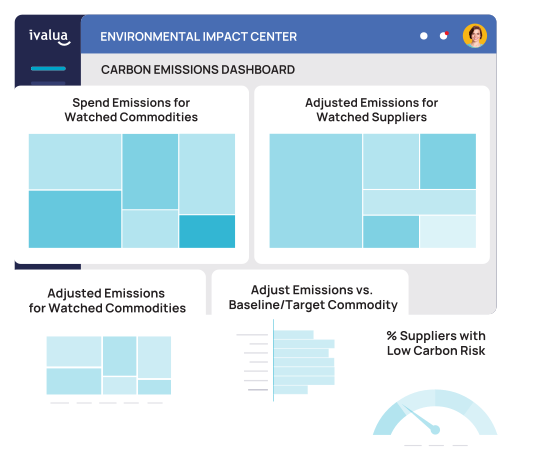
Collect, normalize, and track emissions across categories, products, and suppliers to support enterprise reporting.
- Streamline supplier inputs with configurable questionnaires that work seamlessly.
- Align and standardize data across products and categories for consistency.
- Sync with third-party data sources for accurate benchmarking.
- Visualize impact trends dynamically in real time for clearer decision-making.

ESG Compliance and Environmental Risk
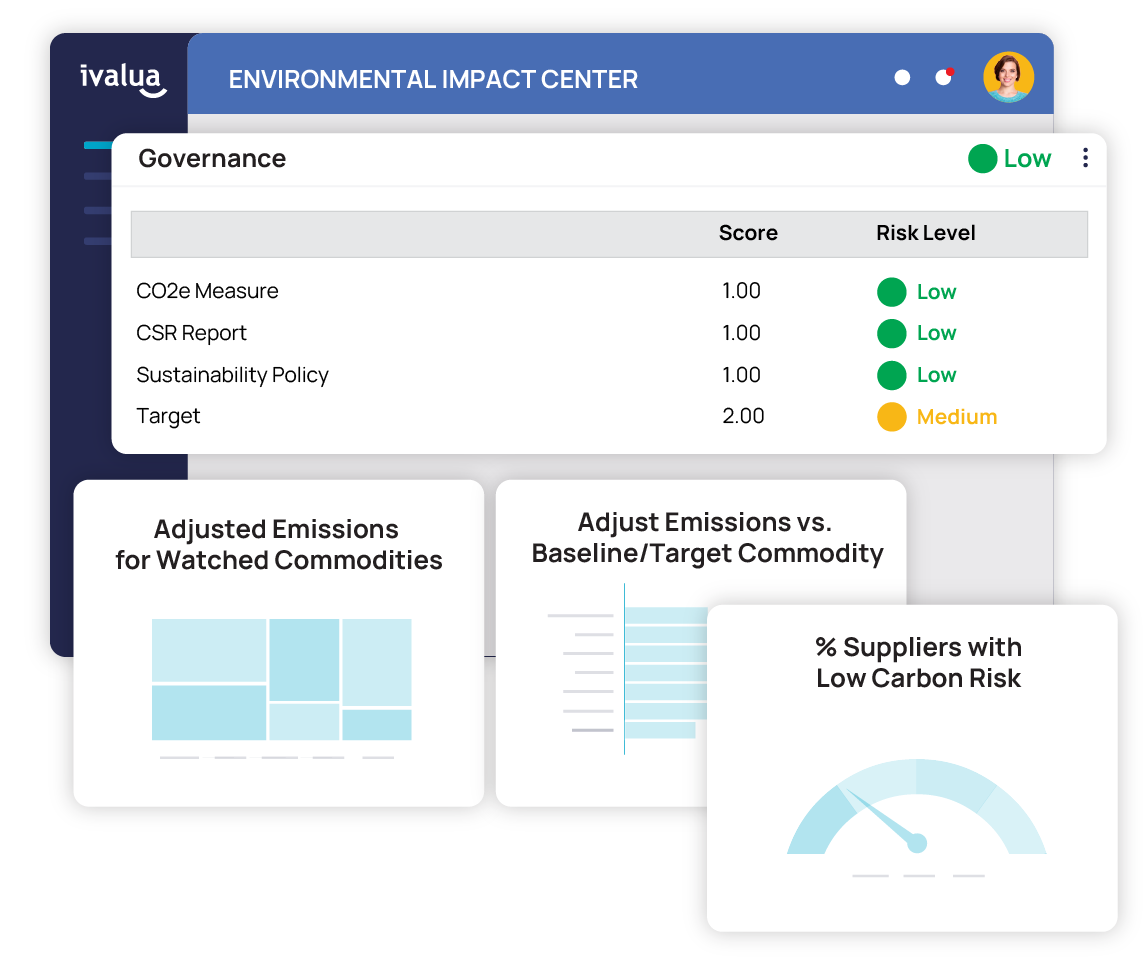
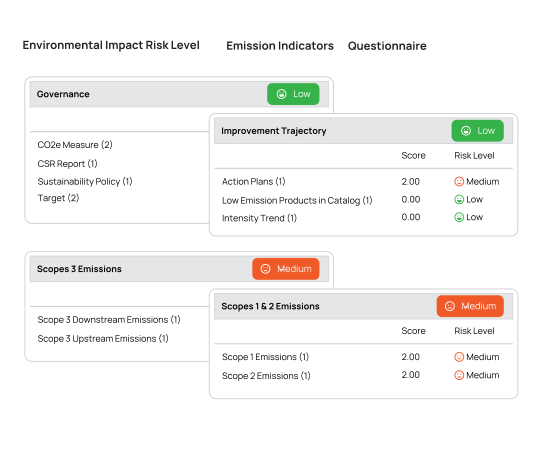
Monitor Environmental Performance & ESG Risk at Scale
Continuously monitor impacts and environmental risks with configurable scores, alerts, and dashboards that simplify ESG compliance across your global supplier networks.
- Track trends by supplier and category for deeper insights.
- Align environmental risk scores to your specific ESG priorities.
- Set custom alerts based on specific factors, thresholds, and risk levels.
- Streamline ESG reporting with fully traceable, audit-ready data.

Sustainable and Responsible Sourcing
Make Sustainability a Core Part of Every Sourcing Decision
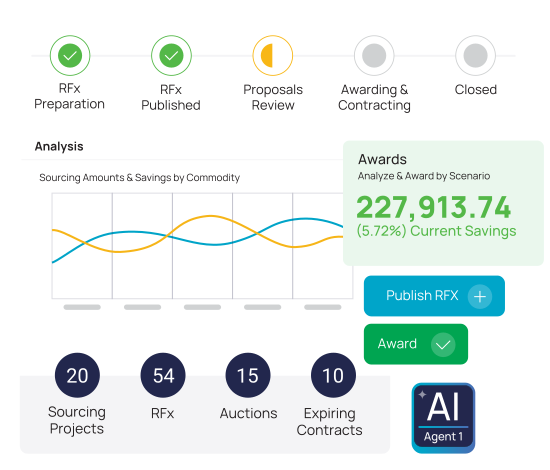
Incorporate impact data and environmental risk data directly into sourcing events, allowing your team to seamlessly balance cost and sustainability within every award decision.
- Inform complex sourcing scenarios with actionable data.
- Optimize award decisions by balancing cost, risk, and sustainability.
- Drive measurable results for your sustainable and responsible sourcing strategy.
- Apply environmental criteria without compromising sourcing cycle speed.

Catalogs For Sustainable Purchasing and Spend
Guide Buyers With Sustainable Purchasing Intelligence
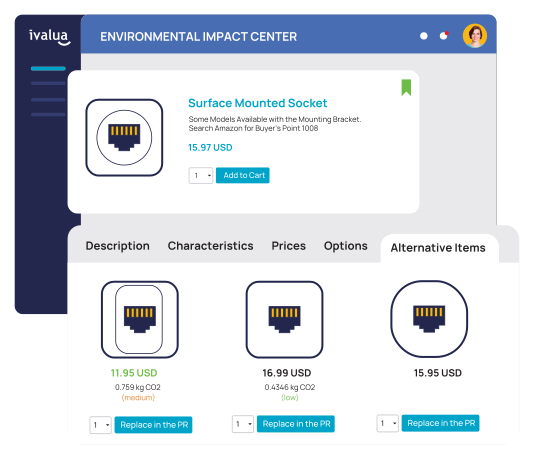
Promote sustainable spend by surfacing low-impact alternatives directly within the buying experience, instinctively guiding users toward eco-conscious purchasing decisions.
- Create ESG-aligned catalogs powered by reliable emissions data.
- Recommend environmentally responsible alternatives at point of purchase.
- Incorporate carbon pricing context to reveal the true cost of buying decisions.
- Scale sustainable purchasing and spend across the entire enterprise.

Collaborative Environmental Impact Reduction
Turn Impact Data into Measurable Reduction Outcomes
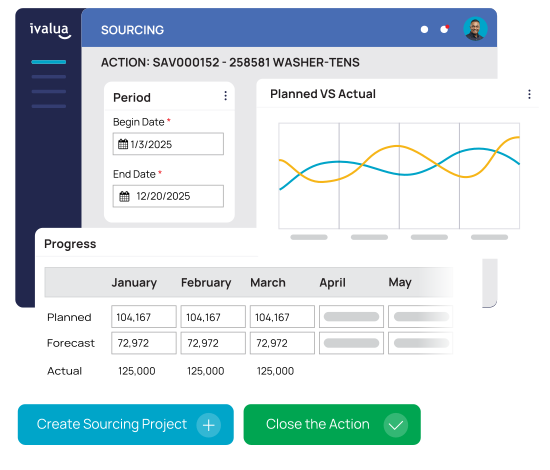
Identify high-impact categories and suppliers, collaborate on improvement initiatives, and execute targeted reduction plans that deliver measurable sustainability outcomes.
- Launch data-backed impact reduction and savings plans.
- Collaborate with suppliers on improvement goals.
- Monitor real-time progress and quantify sustainability benefits over time.
- Target impact-intensive categories and key suppliers to maximize impact.

Product-Level Impact Management
Operationalize Category and Product-Level Impact Data
Model impacts at the category and product level using lifecycle data and supplier-verified values to drive accuracy and reporting across your footprint.
- Build baselines by category and product.
- Incorporate lifecycle data from multiple sources.
- Replace estimates with verified, high-fidelity data.
- Ensure accurate reporting through verification workflows.
From Visibility to Reduction: Manage Environmental Impact
Assess Supplier Maturity: Utilize fully configurable questionnaires and ESG scorecards to determine suppliers’ sophistication in managing environmental programs.
Replace averages with accuracy: Leverage multi-source lifecycle data and formal verification workflows to deliver a transparent footprint.
Turn data into action: Identify high-impact categories and key suppliers to co-create improvement roadmaps and drive measurable outcomes at scale.
Embed Sustainability Data: Inform sourcing scenarios and optimization analyses with emissions and environmental risk data.
Ivalua Environmental Impact Center Benefits

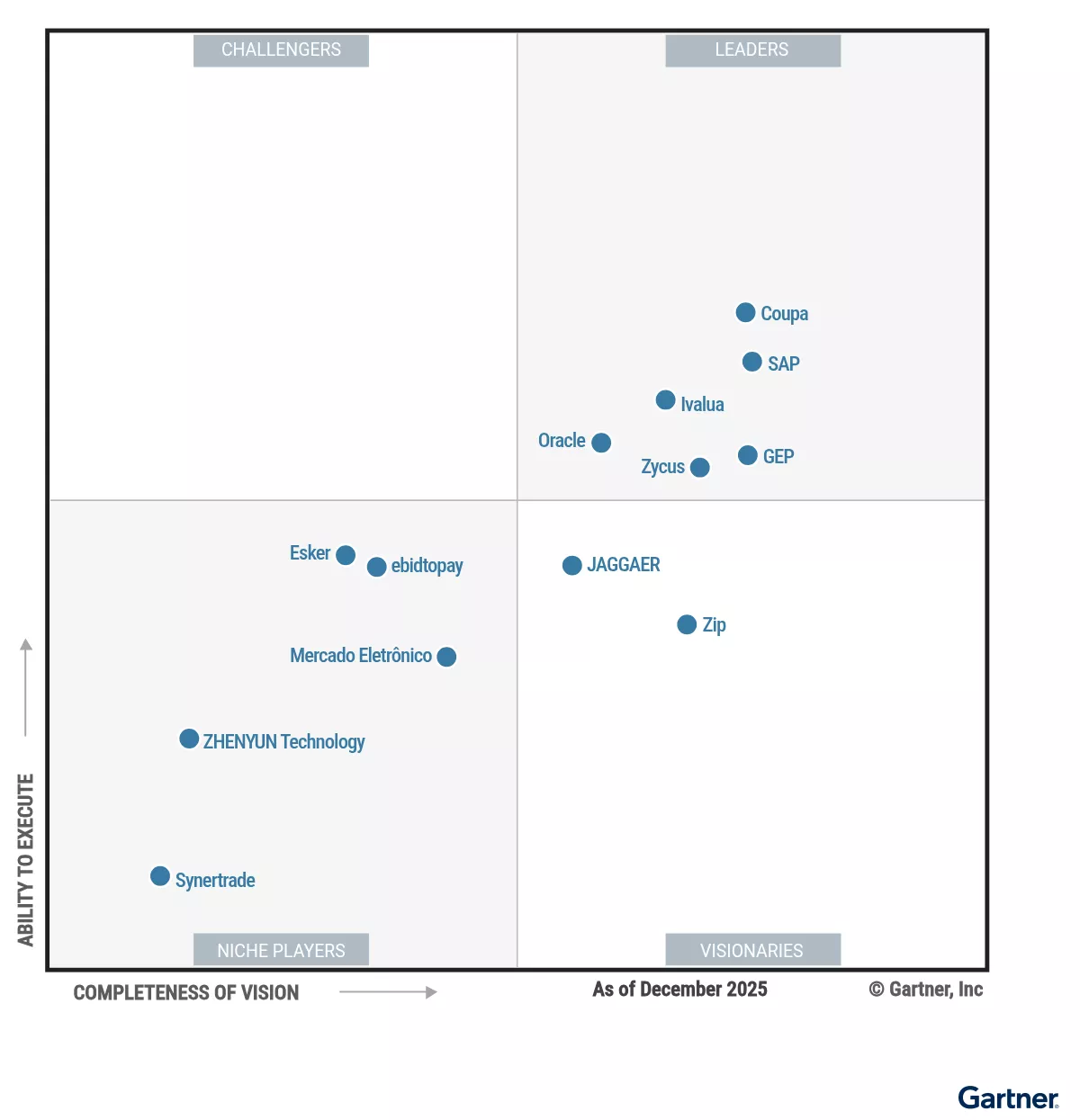
NAMED A Leader
Gartner® Magic Quadrant™ for Source-to-Pay Suites
2026
A Complete, Future-Proof Source-to-Pay Platform to Manage ALL Spend





Trusted by 500+ Leading Companies
4.7

on

|
4.4
on



















If you look into how we measure our supplier performance, we can say exactly how many are renewable or recyclable energy. That’s one of our key metrics. We’re moving our supplier base to a better future.
Related Resources


Sustainable Procurement Software FAQs
Sustainable procurement software helps organizations embed environmental and ESG considerations directly into procurement operations. It enables teams to track supplier impact, manage Scope 3 emissions, and apply sustainability criteria across sourcing, purchasing, and supplier management workflows.
The Environmental Impact Center enables organizations to collect Scope 3 emissions data from suppliers, third-party sources, and benchmarks to establish reliable baselines. Emissions are normalized, tracked over time, and made audit-ready to support internal reporting and external disclosures.
Unlike ESG reporting tools that focus on data aggregation and disclosure, the Environmental Impact Center embeds sustainability directly into procurement execution. Emissions and environmental data are applied to sourcing decisions, catalogs, and purchasing behavior to drive measurable impact—not just reporting.
Suppliers can submit emissions data through configurable questionnaires or integrations and update estimates with product-specific information. The solution supports formal verification and documentation to improve data accuracy, transparency, and audit confidence.
Yes. Emissions and environmental risk data can be incorporated directly into sourcing events and award scenarios, alongside cost and performance criteria. This enables procurement teams to balance sustainability goals with commercial outcomes.
The Environmental Impact Center enables low-carbon catalogs and sustainable alternatives to be surfaced directly in the buying experience. By guiding users toward lower-impact options at the point of purchase, organizations can drive sustainable purchasing behavior across all spend and users.