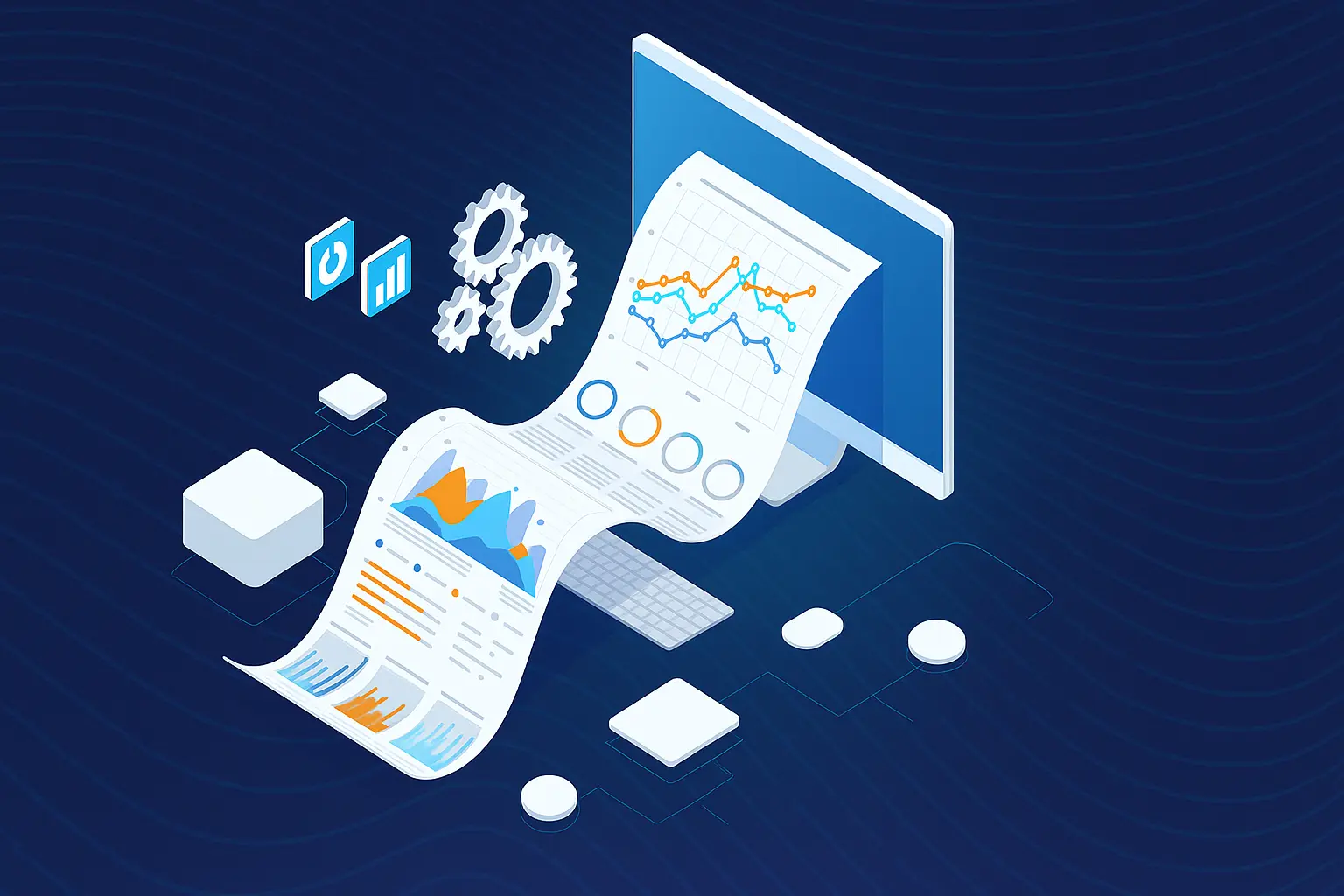



Procurement leaders are under growing pressure to demonstrate strategic impact through real-time, data-driven insights. For P2P Leads and Directors of Sourcing, that means unifying fragmented dashboards that don’t provide actionable insights.
In most organizations, data is buried across sourcing tools, contract systems, and manual spreadsheets, which makes it impossible to provide meaningful procurement analytics to upper management as they require. Fortunately, a new generation of procurement analytics can connect the dots across Procure-to-Pay, delivering comprehensive and actionable visibility.
In this guide, you’ll learn which KPIs matter most in 2025, where analytics can drive the most value, and how to get started with a modern reporting foundation.
Key Takeaways
- Procurement teams can unlock measurable value by focusing on analytics KPIs tied to cost control, compliance, and supplier performance.
- Leading enterprises are now treating procurement data as a strategic asset, not just operational reporting.
- To move beyond Excel and disconnected dashboards, teams should evaluate platforms that unify analytics across sourcing, contracts, and Procure-to-Pay processes.
What Is Procurement Analytics?
Procurement analytics is the process of collecting, integrating, and analyzing procurement data to generate actionable insights that drive smarter, faster decision-making across the Source-to-Pay lifecycle. They enable teams to shift from reactive reporting to proactive analytics that help drive strategy.
Whereas basic spend analysis focuses primarily on historical spending patterns, procurement analytics offers a more comprehensive view, providing insights across spend categories, sourcing events, contract compliance, and supplier behavior.
Procurement analytics also incorporate supplier performance, risk metrics, and real-time operational data. This helps teams make faster, more informed decisions that proactively manage disruptions, ensure compliance, and drive stronger outcomes across sourcing and supply chain operations.
For example, a next-generation procurement workspace can integrate information, automating processes, and applying analytics to evaluate environmental impacts across the supply chain. One Fortune 500 company has already implemented this approach, with early results confirming its effectiveness, usability, and innovation.
The four core pillars of procurement analytics include:
- Procurement Intelligence: Centralized insights across sourcing, contracts, and suppliers to guide strategy.
- Spend Visibility: A unified view of enterprise-wide purchasing activity to uncover savings and compliance gaps.
- Sourcing Optimization: Data-driven recommendations for supplier selection, event timing, and bid evaluation.
- Supplier Performance Analytics: Ongoing monitoring of KPIs like quality, delivery, and risk to improve outcomes.
While these pillars have always been at the heart of procurement analytics, the changing role of procurement makes procurement analytics a strategic necessity. Let’s explore how.
When Procurement Analytics Becomes a Strategic Necessity
Procurement organizations today have a strategic advisory role that has a direct impact on the performance of the business. To support this role, comprehensive analytics are essential.
With the right insights, teams can:
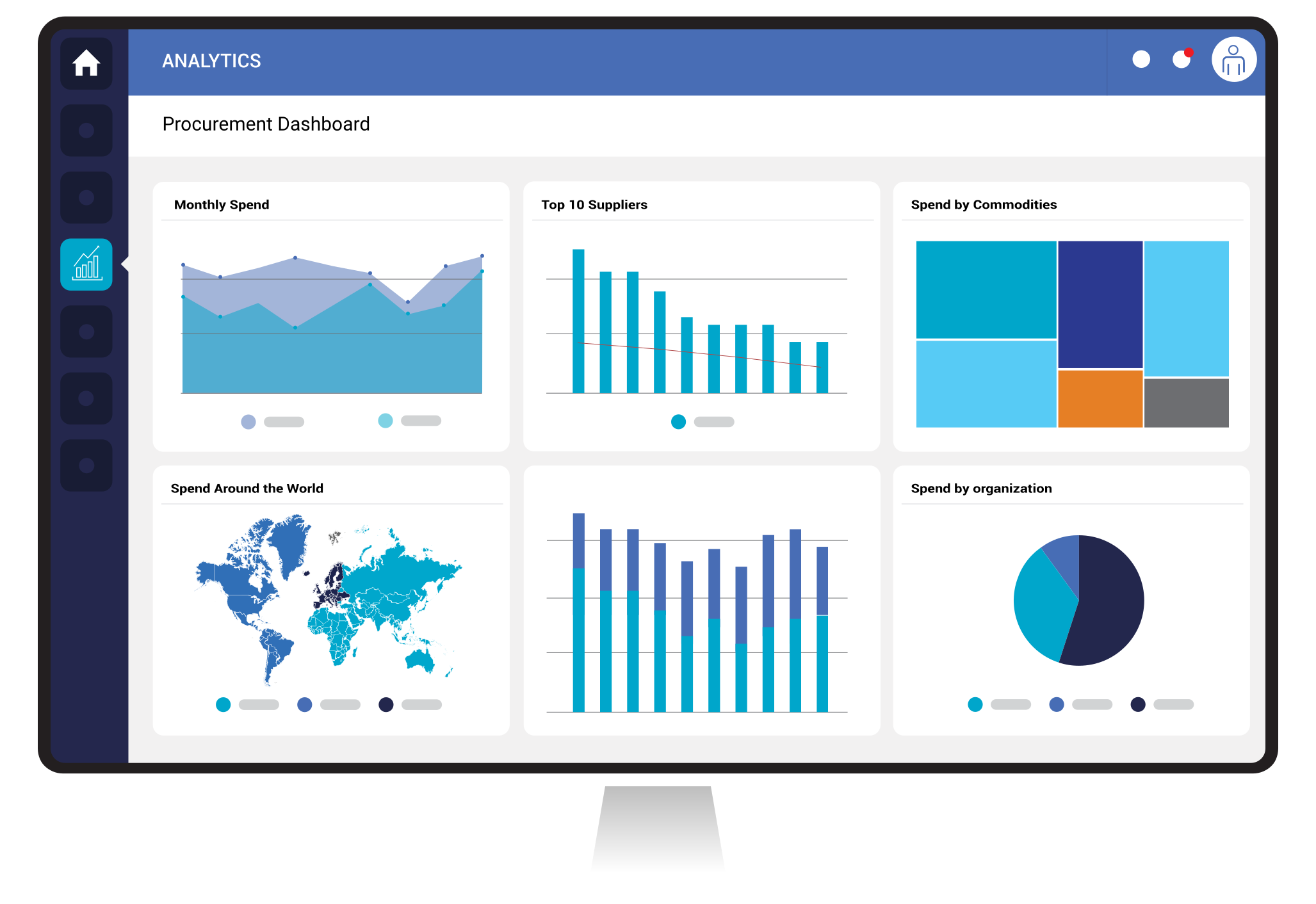
- Enhance visibility into spend
- Have negotiation leverage
- Experience fewer supply chain disruptions
- Align procurement decisions with ESG goals
Put simply, data-driven procurement helps organizations shift from reacting to problems to planning ahead and making smarter, more strategic decisions.
Reporting Alone Can’t Support Modern Sourcing Decisions
Traditional dashboards and static reports weren’t built for the speed and complexity of today’s sourcing environment. Sourcing teams are under constant pressure to evaluate suppliers, mitigate risk, and respond to shifting market dynamics, often in real time.
Static reports offer a backward-looking snapshot, but they lack the contextual data needed to support dynamic, cross-functional decisions.
Meanwhile, finance leaders demand tight alignment between procurement activities and broader business outcomes such as margin improvement, cost avoidance, and ESG impact. To meet these expectations, procurement needs intelligent, real-time insights that connect sourcing performance to strategic value.
A unified procurement platform provides these critical insights to enable proactive decision-making.
Disconnected Systems Obscure Spend and Supplier Signals
Even the most experienced procurement teams struggle to make confident decisions when critical data is scattered across disconnected tools. System fragmentation prevents a clear, unified view of spend, supplier performance, and risk exposure, making it difficult to act with speed or precision.
Common blockers include:
- Data fragmentation across multiple ERPs, which prevents consolidated spend visibility and accurate forecasting.
- Siloed contract data, which makes it difficult to see whether buyers are following the agreed-upon purchasing terms.
- Inconsistent or incomplete supplier records weaken performance tracking and risk assessments.
- Limited integration between sourcing, P2P, and finance systems creates gaps in the end-to-end procurement picture.
Unifying disparate systems is essential to eliminate these issues and obtain procurement analytics that help drive performance and value.
Types of Procurement Analytics and What They Actually Deliver
You’ve probably heard terms like descriptive, diagnostic, predictive, and prescriptive analytics for indirect and direct procurement, but you may not be using them to their full potential.
The key is understanding the business value they deliver and how they can support smarter decisions across sourcing, contracting, and supplier risk management.
Below, we break down each analytics type and explain how it moves procurement from reactive reporting to proactive strategy.
Descriptive Analytics: What Happened, But With Lag
Descriptive analytics summarize historical procurement activity such as total spend, supplier count, or contract volumes across a given period.
While this data is useful for establishing baselines or tracking KPIs over time, it rarely answers why something changed or what to do next. On its own, it won’t surface root causes or help forecast outcomes.
Diagnostic Analytics: Why Performance Shifted
Diagnostic analytics help explain what’s driving procurement performance, whether it’s good or bad. It’s a key step in moving from reactive to proactive, because it:
- Identifies cycle time increases tied to specific suppliers, geographies, or categories
- Flags off-contract spend linked to missing catalog items or unclear approval thresholds
- Surfaces payment delays caused by mismatched terms or invoice errors
- Clarifies compliance gaps by cross-referencing contract obligations with actual behavior
Unlocking these insights requires consistent, clean data across systems, which is something many teams are missing.
Predictive Analytics: Anticipating Risk and Opportunity
Predictive analytics uses historical and real-time data to forecast what’s likely to happen across the procurement landscape. This type of analytics can identify suppliers with a possibilityof nonperformance, identify risk trends on sourcing events, or even anticipate issues before they disrupt supply chains.
For example, predictive scoring can assess supplier financial risk, adverse media risk, delivery reliability, or ESG exposure, helping you take action early instead of reacting late.
And research backs this up: One systematic review of AI and ML in procurement revealed 11 key use cases and a gap between academic focus and real-world needs, especially in cost analysis, supplier sustainability, and operational applications.
Prescriptive Analytics: Recommending Next Actions
Procurement analytics goes beyond spend forecasting by recommending specific, system-driven actions such as:
- Reallocating spend to higher-performing or lower-risk suppliers before issues arise
- Suggesting alternative suppliers based on risk exposure, lead times, or cost models
- Automating policy-based adjustments to sourcing strategies, terms, or routing logic
Analytics and insight tools apply decision logic to provide actionable insights without requiring manual follow-up.
The Procurement Analytics Maturity Curve
Now that we understand the types of analytics and how they’re used, let’s dive into the analytics maturity curve. Where does your organization fall on this spectrum?
True maturity means embedding analytics into daily procurement processes, not treating them as a separate reporting function. As you progress from manual reporting to AI-enhanced insights, your focus will shift from “what happened?” to “here’s what we need to do next.”
Below, we outline the four key stages of this maturity curve and what each unlocks for modern procurement teams.
Stage 1: Manual Reports and Basic Dashboards
At this stage, procurement relies heavily on Excel and disconnected reporting tools. Dashboards are static, focused on past activity, and often built manually. Data is siloed across systems, making it hard to track performance holistically. As a result, procurement operates reactively and struggles to influence broader business strategy.
Stage 2: Centralized Data and Tactical Insights
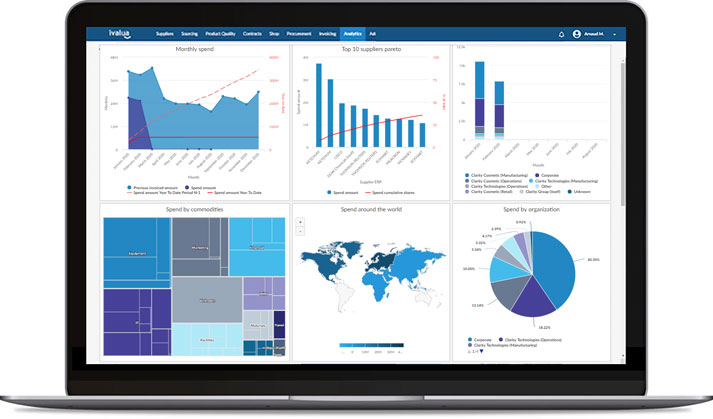
With a unified reporting foundation, procurement gains clearer visibility into operations. Procurement dashboards track spend, contract compliance, and supplier activity in one place. Stakeholders use shared KPIs to align on procurement performance. Tools like BI platforms or integrated procurement suites start to replace spreadsheets.
However, while insights improve, predictive capability is still limited, and analytics are still largely retrospective.
Stage 3: Predictive Models Embedded in Workflow
During this stage, procurement analytics is operationalized. Instead of pulling reports after the fact, teams receive insights within the tools they use daily (e.g. intake forms, sourcing events, or supplier portals).
Predictive models are now flagging potential risks such as supplier delays or contract overages, as well as forecast trends in demand, pricing, or compliance. Procurement leaders no longer ask analysts for reports; instead, they act directly on embedded insights, with clear recommendations aligned to business goals.
Stage 4: AI-Enhanced Decision Engines
At full maturity, procurement operates with intelligent systems that guide, automate, and adapt:
- Autonomous alerts flag exceptions and trigger remediation workflows.
- Scenario planning models cost, availability, or risk under shifting market conditions.
- ESG analytics quantify supplier sustainability and social impact performance.
- Natural language queries allow stakeholders to ask questions and get instant insights.
- Guided decisions recommend next steps in sourcing, contracting, or budgeting.
In the enterprise, this means procurement can run leaner, respond faster, and make consistently smarter decisions, because analytics are supporting strategy and execution.
Procurement KPIs That Actually Drive Performance
Procurement is no longer measured solely by cost savings and compliance rates. In 2025, the most effective KPIs are those that influence strategic, data-driven decisions, drive accountability, and align procurement outcomes with broader business goals.
Leading enterprises, especially those with $1B+ in revenue, are retiring activity-based metrics and focusing on performance-based benchmarks that show real impact across cost, risk, and ESG.
From Tracking to Influencing: KPIs That Matter Now
CPOs need insights that help determine – and justify – their technology investments. Modern KPIs must provide visibility into procurement’s role in driving resilience and creating value, as well as how procurement is advancing enterprise initiatives like sustainability and digital procurement transformation.
In other words, procurement metrics must help guide what to do next. That’s why strategic procurement teams are adopting metrics that capture efficiency, supplier performance, and risk in real time.
8 Metrics That Separate Strategic Teams from the Rest
These KPIs can help you prioritize procurement resources and prove tangible ROI to the C-suite:
- Spend Under Management: Tracks the percentage of total spend actively managed by procurement. It’s a key indicator of procurement’s influence and ability to drive value. If sourcing and purchasing happen outside approved workflows, this number drops, often due to poor intake structure or disconnected systems.
- Maverick Spend Rate: Measures spend occurring outside approved contracts or categories. This metric helps prioritize areas for control and training. High maverick spend points to policy gaps, lack of visibility, or insufficient user enablement.
- Supplier Cycle Time: Calculates the time from supplier identification to onboarding completion. It reflects procurement agility and process efficiency. Without integrated risk and compliance checks, this process becomes a major bottleneck.
- Contract Cycle Time: Measures how long it takes to move from contract request to signature. Delays often stem from legal review or disjointed approvals. This KPI can spotlight inefficiencies in CLM processes or policy enforcement.
- On-Time Delivery: Assesses the percentage of supplier deliveries made on or before the promised date. It’s a critical supplier performance metric, but only reliable when POs and delivery confirmations are consistently tracked.
- Category-Level Savings vs. Baseline: Compares realized savings in a specific category against prior period or pre-sourcing baseline. Helps category managers prove impact, but breaks down when baseline data is missing or inconsistently applied.
- ESG Supplier Coverage: Measures what portion of suppliers meet defined ESG criteria (e.g., certifications, disclosures). It supports compliance and sustainability goals, but requires clean supplier master data and a consistent scoring framework.
- Risk Incident Lead Time: Tracks the time between when a risk signal is first detected and when mitigation begins. Shorter lead times indicate effective monitoring and response protocols. If risk data is fragmented or delayed, this metric loses value.
When backed by clean, centralized data and a procurement analytics solution, these metrics become the foundation for high-impact procurement.
Use Cases: Where Procurement Analytics Delivers the Most Value
Procurement analytics help teams move from reactive firefighting to proactive, strategic execution. These use cases show where analytics drives measurable decisions, from supplier scoring to ESG strategy:
- Data-Backed Supplier Scoring Models: Analytics enable standardized, weighted supplier performance models that incorporate delivery data, risk metrics, and compliance scores to inform sourcing decisions and contract renewals.
- ESG-Compliant Sourcing Strategies: By combining spend data with sustainability, supplier diversity, and ethical sourcing indicators, procurement can evaluate and prioritize suppliers that align with corporate ESG goals, while tracking performance over time.
- Real-Time Risk Monitoring: Integrated analytics platforms can flag disruptions as they unfold, so teams can adjust sourcing plans, begin to mitigate the damage, or escalate vendor reviews with appropriate context.
- Dynamic Category Management: Continuous category analysis helps to identify demand shifts, price fluctuations, and supplier dependencies, enabling procurement to fine-tune strategies or reallocate spend. This helps to maximize savings and minimize exposure.
Let’s take a closer look at a few procurement analytics use cases.
Optimizing Sourcing Strategies With Spend and Risk Data
Procurement analytics empower teams with strategic sourcing capabilities by exposing hidden opportunities in spend and supplier data. By unifying insights across systems, teams can rationalize supplier bases and prioritize high-impact categories, while identifying under-leveraged contracts. Whether it’s finding sourcing synergies across business units or identifying tail spend ripe for consolidation, analytics transforms static data into strategic action.
Preventing Compliance Failures Before They Happen
Compliance risks often emerge before they’re officially flagged. Analytics can provide an early warning system that surfaces potential issues early. For example, it can flag expiring contracts, unapproved suppliers, or policy violations before they escalate.
By centralizing contract management, policy logic, and information about supplier behaviors, procurement analytics can help teams identify gaps in real time and act proactively, rather than reactively.
Tracking ESG Performance With Supplier Segmentation
Analytics enables meaningful ESG tracking through smarter supplier segmentation and continuous monitoring. Key capabilities include:
- Tiering suppliers based on ESG risk, diversity, and impact.
- Identifying sustainability leaders vs. laggards by category or region.
- Tracking performance over time to inform sourcing, partnerships, and disclosures.
With access to comprehensive procurement analytics you can build ESG into your broader procurement strategy with data-driven segmentation.
Modeling Cost Avoidance Scenarios
Analytics help procurement teams forecast cost avoidance based on different actions, such as re-bidding long-tail suppliers or renegotiating payment terms. These forward-looking models give leaders a clearer picture of potential savings and help justify decisions to finance or stakeholders.
These are just a few of the use cases for procurement analytics in modern procurement organizations. In the next section, we cover practical steps for implementing them in your company.
How to Implement Procurement Analytics in Your Organization
The following steps form the foundation for insights that are trusted, timely, and tightly aligned to procurement strategy.
Step 1: Define Goals and KPIs
Start with a clear understanding of what you want to achieve. Are you focused on spend visibility, compliance, supplier performance, ESG, or all of the above? Identify strategic KPIs that align with enterprise goals and stakeholder needs. This step ensures analytics efforts stay focused on driving business outcomes.
Step 2: Assess Your Procurement Data Readiness
Before launching analytics, assess whether your data is structured to deliver reliable insights. Here are some questions to consider:
- What are your source systems (ERP, CLM, P2P, SRM)?
- Is data complete and clean across those systems?
- Are categories, suppliers, and terms aligned with a consistent taxonomy?
- How frequently is data refreshed?
- Can you audit critical sources like contracts, POs, and invoices?
If you cannot confidently answer these questions, pause and prioritize data remediation before you move on.
Step 3: Build a Governance Model That Ensures Consistency
Procurement analytics depend on trust – and trust requires governance. Establish clear ownership of data stewardship across procurement, finance, and IT. Create a shared language for categories, KPIs, and supplier attributes.
Assign business owners for key data domains, define escalation paths for inconsistencies, and maintain governance through regular review cycles. This alignment will ensure analytics remain accurate and actionable as your organization evolves.
Step 4: Select a Platform Built for Analytics, Not Just Transactions
Many procurement systems prioritize transaction execution over insight generation. Don’t make that mistake! Look for procurement technology platforms designed for modern analytics and insights with the following features:
- A unified data model across sourcing, contracting, and invoicing
- Real-time dashboards and self-service reporting
- Insights powered by AI
- Scalability to support enterprise-wide data and workflows
- Embedded analytics in decision flows, not just exported reports
Step 5: Clean and Integrate Data
Clean data is the backbone of strategic procurement intelligence. Once you select your procurement analytics platform, focus on data transformation. Standardize naming conventions, remove duplicates, map disparate formats, and integrate data flows across systems.
Step 6: Train Procurement and Analytics Staff
Finally, invest in training for procurement teams on how to interpret dashboards, drill into root causes, and use data to influence sourcing decisions. Equip your teams with procurement context, so they can surface insights that truly matter. Ongoing training and enablement will support adoption and impact.
Next, we look at how Cengage, an education and technology company uses Ivalua
Customer Story: How Cengage Transformed Procurement With Analytics
Cengage, a global education and technology company serving markets from K–12 to workforce training, faced significant procurement challenges stemming from rapid growth and acquisitions.
With multiple ERP systems and no unified view of spend, the company struggled with supplier proliferation, inefficient negotiations, and a lack of structure and tools to manage procurement effectively.
These silos hindered visibility and limited Cengage’s ability to strategically manage suppliers or analyze spending patterns across operations in 165 countries.
By utilizing Ivalua’s embedded procurement analytics solution, Cengage gained deep visibility into all spend categories and began driving measurable value through smarter procurement strategies.
The company achieved a 99.6% spend classification accuracy rate, successfully classifying $840 million across 14 currencies and four source systems using over 1,800 classification rules.
Now, Cengage can leverage this data to power key procurement analytics, including real-time price trend tracking, improved SLA and KPI monitoring, and the ability to create tailored analytics reports to support business-specific needs.
“Ivalua really helped us understand spend in a much deeper way. We have real-time updates of the data and full transparency in how items are classified, which really changed the way we are working in Procurement.”
– Elif Bozoglu,Vice President of Strategy, Operations and Procurement, Cengage
Smarter Procurement Starts With Better Analytics
In 2025, analytics will provide the foundation for strategic procurement. As business leaders demand more agility, risk awareness, and performance transparency, teams that rely on static spreadsheets and disconnected dashboards will quickly fall behind.
Forward-looking organizations are turning to predictive and prescriptive analytics to stay ahead. These tools reveal trends and flag risks, empowering sourcing, P2P, and supplier teams to take data-informed action. From cycle time reduction to supplier performance benchmarking, the right procurement analytics solution can help your organization realize measurable value across the procurement lifecycle.
Explore how a unified Procurement Analytics Software Solution can help you drive data-driven decisions, greater efficiency, and competitive advantage.
Drive Smarter Decisions, And Greater Efficiency With Procurement Analytics
FAQs
Spend analysis is a subset of procurement analytics that focuses on historical spend data to identify patterns, savings opportunities, and compliance gaps. Procurement analytics takes that a step further, incorporating predictive, prescriptive, and real-time insights across sourcing, contracts, supplier performance, and risk.…
It’s important to track procurement analytics metrics such as purchase order cycle time, contract compliance, supplier risk scores, and percentage of spend under management in addition to cost savings. These KPIs provide a more holistic view of procurement performance, helping leaders improve efficiency and mitigate risk.
AI accelerates insight generation by automating data classification, detecting anomalies, and spend forecasting risks or trends. It enables real-time decision-making and highlights areas for improvement that traditional reporting tools might miss.
Effective procurement analytics requires clean, connected data from purchase orders, invoices, contracts, supplier scorecards, and ERP systems. This cross-functional view allows for more accurate reporting and benchmarking.
The most effective tools are unified platforms that integrate sourcing, P2P, supplier management, and analytics into a single solution. These platforms, such as Ivalua, enable end-to-end visibility with real-time dashboards and policy-based workflows.