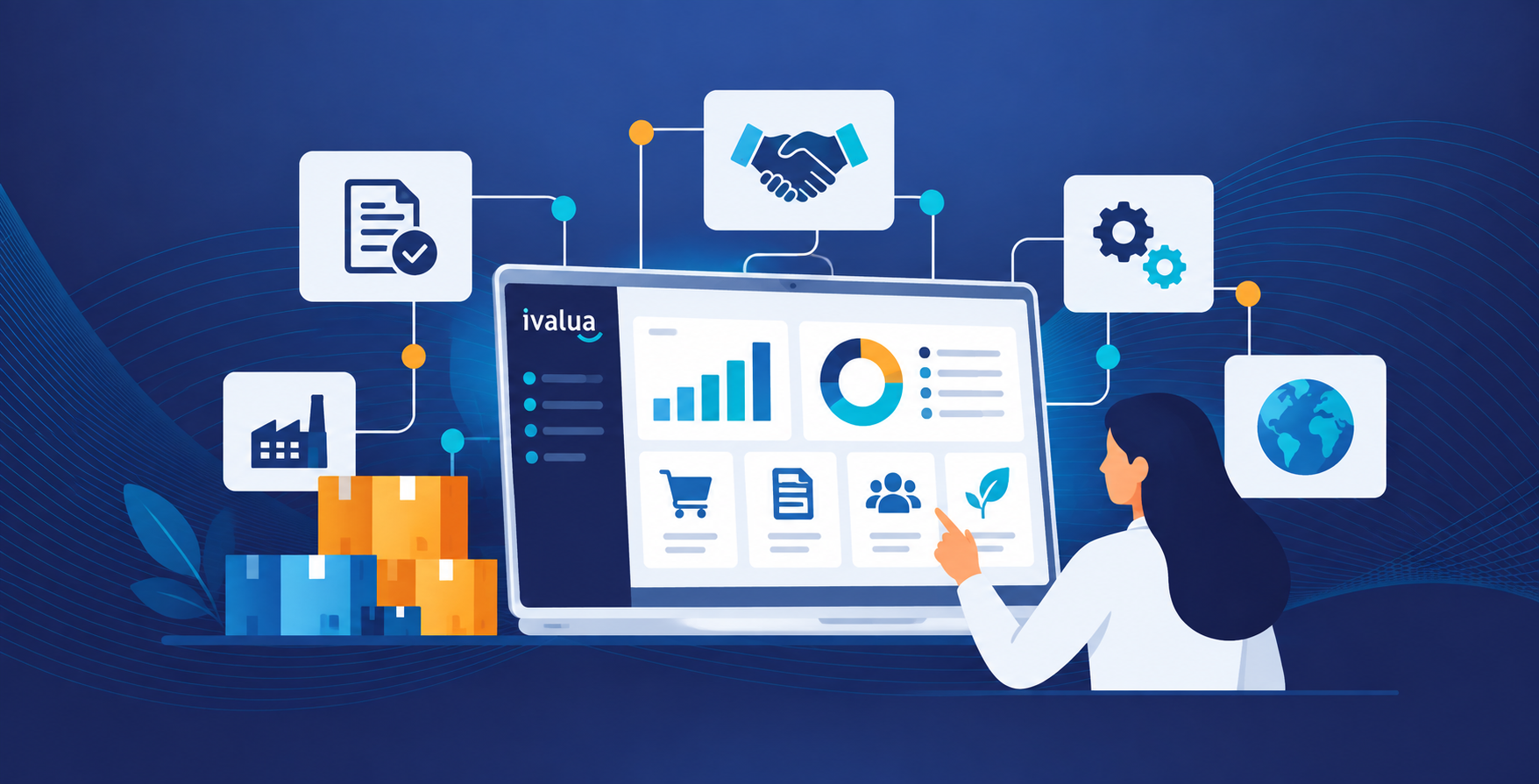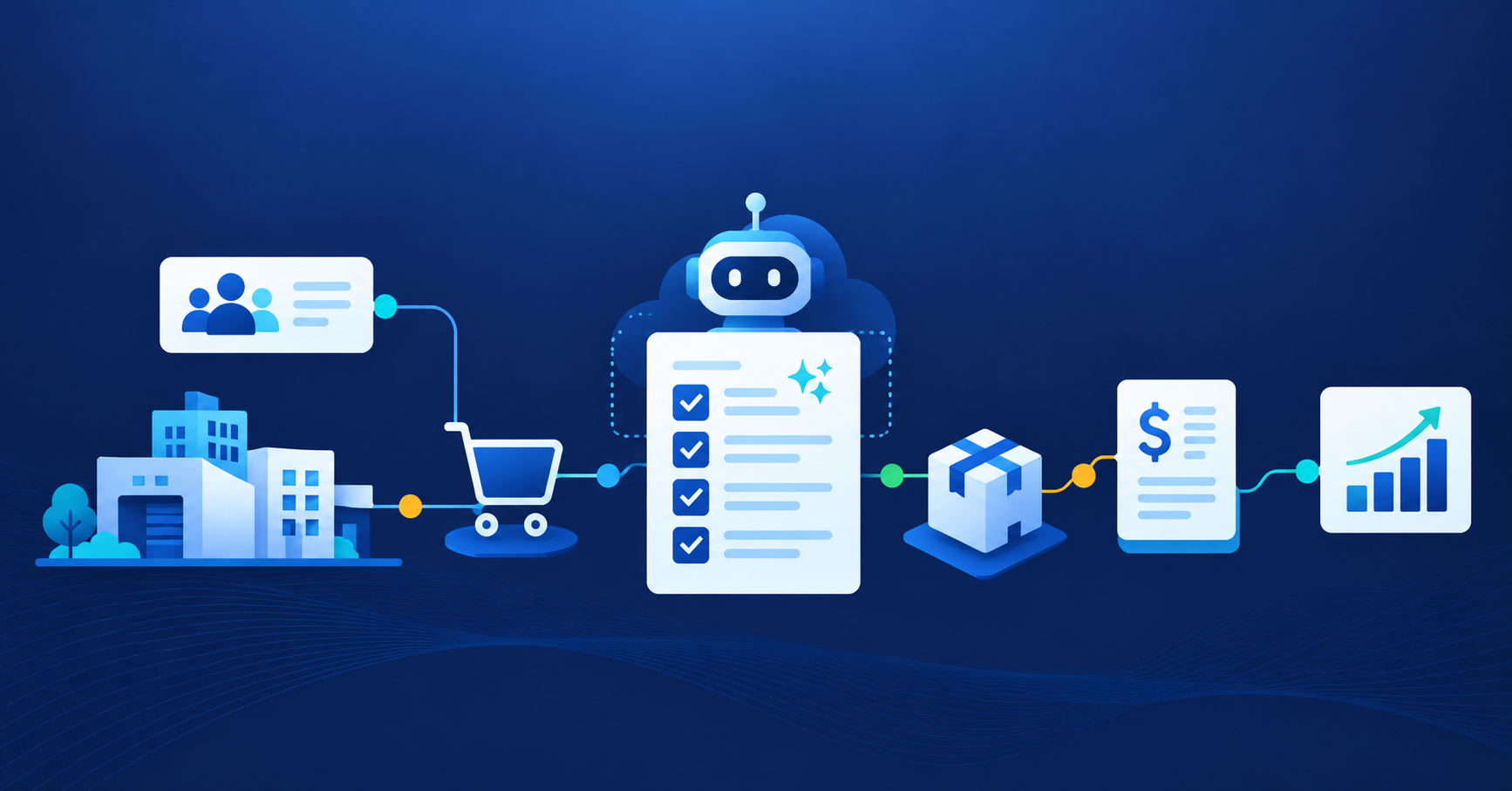



Strategic sourcing and category management are two distinct disciplines that produce more value when they operate as an integrated system. Category management sets the strategy; strategic sourcing executes it.
This guide defines each of these disciplines, explaining how they differ and how they complement each other, and provides a framework for building a category-led sourcing program on a unified platform.
Key Takeaways
- Strategic sourcing is an event-driven process for evaluating and selecting suppliers; category management is a continuous discipline that governs how entire areas of spend are managed over time.
- Both strategic sourcing and category management are essential for modern procurement.
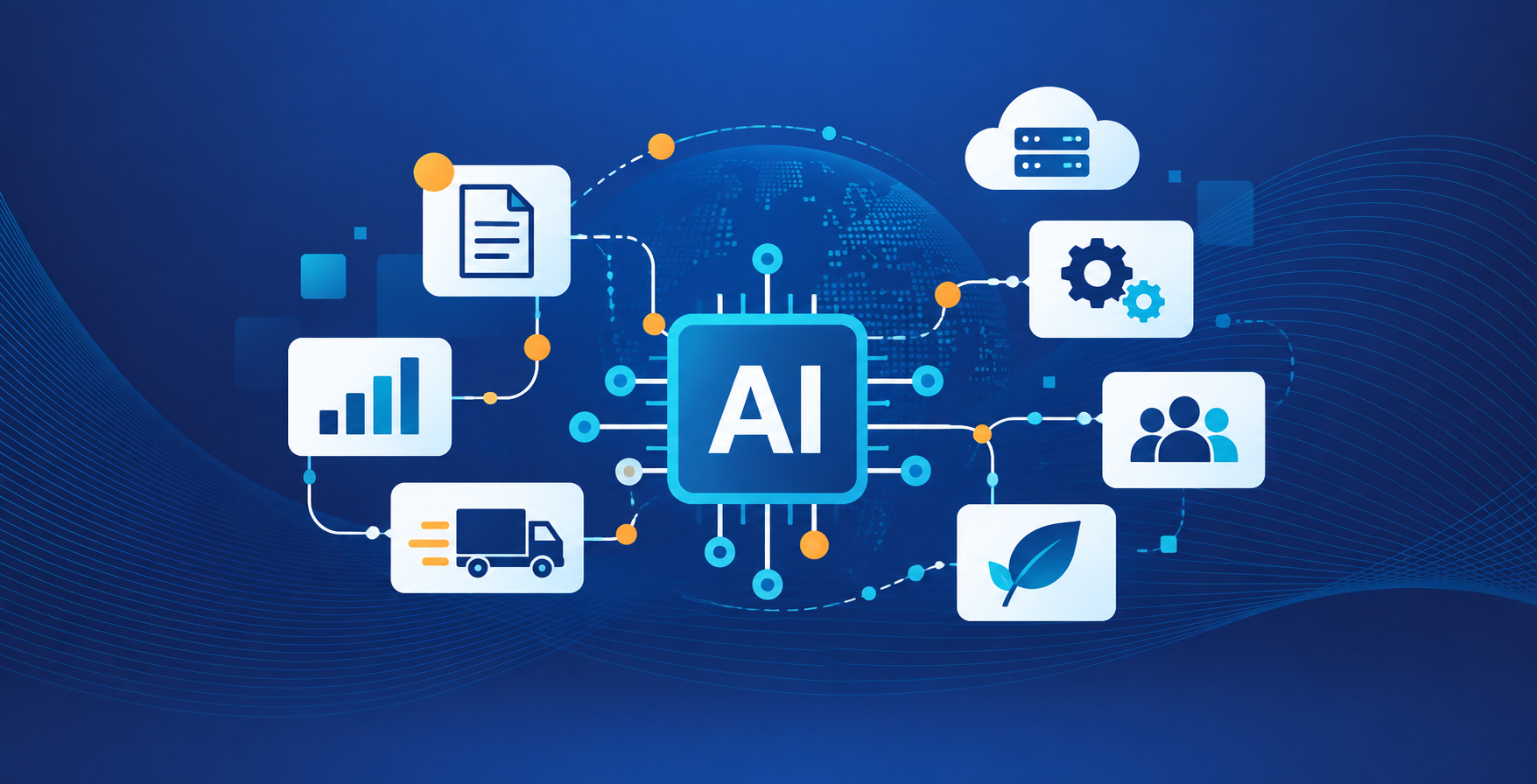
- A unified S2P platform and agentic AI connect category intelligence to sourcing execution on a single data model.
What Is Strategic Sourcing?
Strategic sourcing is a structured, repeatable process for evaluating and contracting with suppliers using evaluation factors such as total cost of ownership, quality, risk, sustainability, and innovation capabilities. The goal is to build a resilient supplier base while maximizing value across defined spend categories.
Strategic sourcing typically includes the following steps:
- Needs assessment and category planning
- Supply market analysis
- Supplier identification and qualification
- RFx creation and supplier response management
- Supplier evaluation and scoring
- Negotiation and award selection
- Contract creation and execution
Ivalua supports the entire strategic sourcing process within a single platform, connecting sourcing activities to supplier data and contracts on a shared data model. With Ivalua, sourcing teams work with complete, up-to-date information instead of having to export data between disconnected systems, reducing manual effort and creating a seamless workflow.
Now let’s explore category management and how it differs from strategic sourcing.
What Is Category Management in Procurement?
Category management is the ongoing, strategic discipline of organizing spend into groups of related products or services, and developing long-term strategies for each of those groups.
Unlike sourcing, category management is continuous. It includes:
- Spend analysis: Understanding the category landscape
- Supply market analysis: Identifying trends and risks
- Category strategy development: Setting multiyear objectives for cost, quality, risk, innovation, sustainability
- Stakeholder engagement: Engaging all key parties to ensure business unit alignment
- Supplier segmentation: Determining relationship types and groups of suppliers
- Performance measurement: Tracking whether category objectives are being met
The category manager owns the category as a business unit and is accountable for outcomes across multiple sourcing cycles.
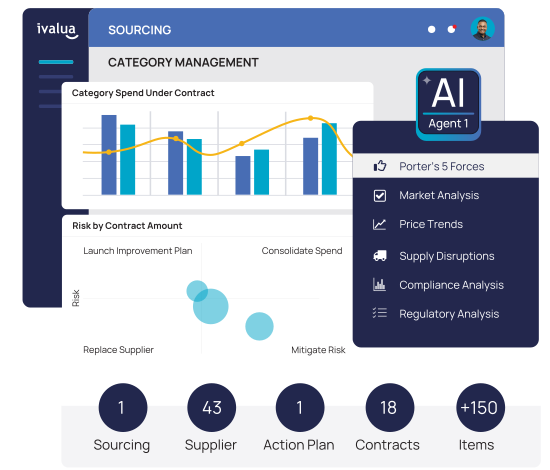
Ivalua’s Category Management module provides an AI-assisted 360-degree cockpit for category action and perspective. Teams can create and identify strategic categories, build action plans with AI-assisted category intelligence, socialize strategy across stakeholders, and monitor compliance and savings with configurable analytics and savings tracking.
Strategic Sourcing vs. Category Management: Key Differences
Strategic sourcing and category management are closely related but serve different purposes within procurement.
Strategic sourcing is a continuous strategy and includes executing sourcing events, identifying the best suppliers, negotiating commercial terms, and putting a contract in place.
Category management defines how an organization should manage an entire area of spend over multiple years.
The two disciplines are most effective when they work together. A strong category strategy guides sourcing events, while each sourcing event helps execute that strategy.
| Strategic Sourcing | Category Management | |
|---|---|---|
| Scope | A methodical, multi-step process to analyze market data, select optimal suppliers, negotiate, and establish long-term agreements. | A continuous framework that governs an entire spend area (e.g., IT, Freight) end-to-end, integrating demand, sourcing, and vendor lifecycle management. |
| Time Horizon | Cyclic / Medium-Term: Governs the sourcing cycle | Ongoing / Long-Term: Multi-year, rolling strategy (typically 2–3+ years with continuous iteration). |
| Primary Owner | Strategic sourcing manager or sourcing team | Category manager responsible for long-term category performance |
| Primary Focus | Competitive bidding, supplier evaluation, negotiation, and contract award | Category strategy, market intelligence, demand management, supplier relationships, and total business value |
| Relationship to Spend | Evaluates and optimizes competitive market access for specific goods/services when contracts expire or market conditions shift. | Proactively governs an entire spend portfolio to optimize cost, risk, and performance |
| Primary Output | Executed commercial agreements, optimized cost structures, and established SLAs/KPIs. | Comprehensive category strategy, savings roadmap, supplier development plans, risk mitigation initiatives, and ongoing performance tracking |
Modern sourcing platforms support both capabilities by combining spend intelligence, supplier data, sourcing workflows, and contracts on a single platform. This gives procurement teams the context they need to make better decisions at both the strategic and execution levels.
How Category Management Governs the Strategic Sourcing Process
The importance of Strategic sourcing is to deliver the best outcome for sourcing events, while category management ensures every sourcing event supports a broader business strategy. A category strategy defines the objectives, constraints, and decision criteria that govern sourcing activities within a spend category. It determines when a sourcing event is launched, which suppliers are eligible, how proposals are evaluated, and how success is measured after award.
The relationship between strategic sourcing and category management can be described as a continuous cycle with the following steps:
- Category Analysis: Category managers perform spend analysis and supply market analysis to understand supplier markets, spending patterns, and business needs.
- Strategy Definition: Category managers establish objectives such as cost reduction targets, risk thresholds, supplier diversity goals, and sustainability requirements that align with the organization’s procurement strategy.
- Sourcing Event Execution: Each sourcing event uses those objectives to guide supplier selection, evaluation criteria, negotiations, and award decisions.
- Measurement: Teams track supplier performance and feed back results into the category strategy for ongoing improvements.
Organizations that govern sourcing using category management experience more consistent results. As The Hackett Group’s Digital World Class Procurement research points out, top-performing procurement teams lose 60% less savings by reducing maverick spend and noncompliance.
Modern procurement platforms like Ivalua connect spend analytics, supplier data, sourcing events, contracts, and performance metrics on a single data model. This not only strengthens performance but helps to ensure sourcing decisions are on track with an organization’s long-term sourcing strategy.
So how do you build a sourcing program that’s driven by category management? In the next section, we explain the four key building blocks.
Building a Category-Led Sourcing Program
Below is a practical framework for moving from ad-hoc sourcing to a category-led e-sourcing strategy:
- Category Segmentation: Classify spend into categories, distinguish direct and indirect, prioritize which categories receive full strategic treatment vs. tactical management.
- Governance and Org Design: Define who owns what: category managers own strategy and multiyear plans, sourcing managers execute events within category parameters, cross-functional stakeholders provide business context. Center-led models are the dominant operating structure.
- Performance Measurement: Define category-level KPIs that track total cost of ownership, supplier performance, risk exposure, contract compliance, and savings realization (not just negotiated savings).
- Continuous Improvement: Leverage data produced by each sourcing cycle to refine your strategy for the next cycle.
Ultimately, successful enterprise strategic sourcing requires a repeatable operating model in which category strategy guides sourcing decisions, and the results help refine the strategy. You can also lean on enterprise spend analysis for insights that help you identify opportunities, measure performance, and improve category plans over time.
Using this type of governance model is becoming more common. According to the CIPS Global State of Procurement & Supply 2026 report, 77% of procurement functions now operate under a centre-led model.
How a Unified Source-to-Pay Platform Connects Category Strategy to Sourcing Execution
Up-to-date, accurate data is what helps category management and strategic sourcing work well together, because it eliminates traditional silos between spend analysis, sourcing, contracts, and supplier performance management separate systems. When these systems don’t have access to unified data, category managers lose visibility into sourcing outcomes, and sourcing teams lack access to current category objectives.
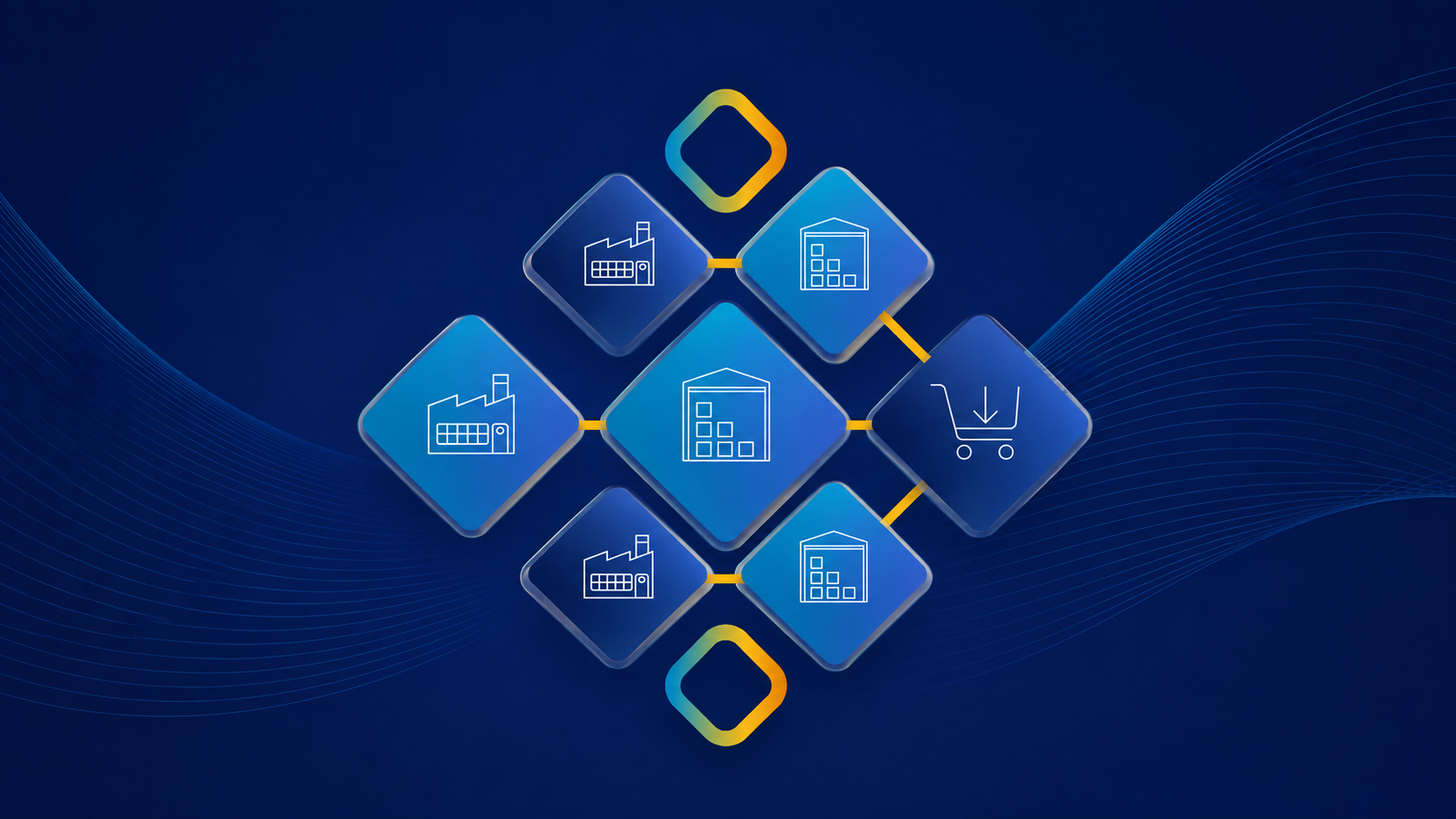
A unified source-to-pay platform closes these gaps by connecting every stage of the procurement lifecycle on a single data model. There’s no need to rely on disconnected spreadsheets or manual reconciliation processes because everyone is operating from the same source of truth.
A unified S2P platform:
- Connects spend data, supplier records, contract terms, and performance metrics to provide teams with complete context for every sourcing decision.
- Provides built-in governance that requires sourcing teams to execute events within the parameters defined by the category strategy.
- Enables real-time visibility with integrated analytics for monitoring sourcing outcomes, savings, supplier performance, and compliance against category goals.
- Feeds continuous feedback about contract performance and suppliers automatically into the category view to help refine future strategy.
These capabilities are critical for success – The Hackett Group’s Digital World Class Procurement research found that top-performing procurement organizations with a unified approach complete sourcing cycles 24% faster.
Ivalua’s unified Source-to-Pay platform unifies category management, sourcing, contract management, and spend analytics on a single data model. By connecting source-to-contract processes on a single platform, it eliminates the need to move data between disconnected systems or manually reconcile data. That way, category managers can guide sourcing with consistent objectives, while sourcing results and supplier performance flow back into future category strategies.
Now let’s examine how recent advancements in Agentic AI are helping procurement teams work more efficiently in two areas: category intelligence and sourcing execution.
How Agentic AI Powers Category Intelligence and Autonomous Sourcing
Category management and strategic sourcing have traditionally required hands-on, manual work but Agentic AI is changing that.
AI-Assisted Category Intelligence
With Ivalua’s IVA youcan automate much of the category research procurement teams have had to do manually, which could take days or even weeks to complete. IVA can generate insights on:
- Market and price trends
- Supply chain disruptions
- Regulatory and compliance risks
- Competitive dynamics using Porter’s Five Forces
- Emerging supplier opportunities
Rather than replacing the category manager, IVAhelps category managers to define sourcing objectives, determine which suppliers should participate, establish evaluation criteria, and set realistic pricing and negotiation targets before a sourcing event begins.
Autonomous Sourcing Execution
Once a category strategy is in place, category managers can use AI to execute sourcing activities within set guidelines. For example, IVA can determine when an item should be sourced competitively and identify qualified suppliers. It can be used to verify compliance with company policies and evaluate historical supplier performance, as well.
IVA can also issue bid requests, analyze responses, and recommend suppliers, all with the organization’s desired level of human oversight. The agent does not make independent procurement policy but operates within your rules.
A Human-Agent Operating Model
In a human-agent operating model, agents handle research, analysis, and repetitive operational work, while you focus on strategic decisions, supplier relationships, negotiations, and exception handling.
And research confirms that’s where procurement is heading – The Hackett Group’s 2026 Procurement Key Issues Study found that 80% of procurement executives identify AI-enabled technology as the most transformational trend affecting procurement over the next five years. To that end, deploying AI is now one of procurement’s top three strategic priorities.
Ivalua’s Intelligent Virtual Agent (IVA) provides a single, governed AI architecture for Agentic AI in procurement. Through IVA Studio, it operates as a single intelligent agent equipped with specialized Skills across the entire S2P platform.
Rather than relying on disconnected AI agents, IVA dynamically loads the appropriate Skills for each task. For example, a request to run a competitive sourcing event can combine the Category Research Assistant, Supplier Finder, and RFx Analysis Skills in a shared context.
Because IVA is LLM-agnostic and governed through IVA Studio with role-based access controls and a no-code Skill builder, it lets you adopt agentic AI safely while continuing to expand your category management tool capabilities.
How TÜV SÜD Built a Global Sourcing Backbone Across Thousands of Categories
Customer: TÜV SÜD
Headquartered in Munich, Germany, with 28,000 employees, TÜV SÜD manages approximately €900 million in global spend through 15 shared service organizations. As a global technical services company, it needed more consistency across its global procurement operations. Managing risk was also a huge factor, given the companies’ highly regulated environment.
By implementing Ivalua’s platform – including solutions for Supplier Risk & Performance, Sourcing, Contract Management, eProcurement, Intake Management, Invoicing, Payments, and Spend Analysis – TÜV SÜD is able to process all runs through one system, with standardized procurement processes across every shared service organization. Ivalua’s centralized reporting provides greater visibility and control over spend, while increased transparency gives executives and board members greater confidence in procurement. TÜV SÜD also now has agility needed to adapt as business needs change.
“With such a powerful platform, the transparency and the reporting, every stakeholder internally realized now we know where the money goes. We have a huge buy in because everyone is very happy with the interface, with the usage of the platform!”
Dietmar Hauser, Chief Procurement Officer, TÜV SÜD
Read the full TÜV SÜD case study.
The Agentic AI Architecture Behind Category-Governed Sourcing Programs
In its third edition whitepaper, Agentic AI in Procurement, Ivalua outlines a framework for building agentic AI that strengthens strategic sourcing and category management while maintaining governance and human oversight. Here are some key recommendations:
- Create a Skills-based Architecture: Rather than deploying multiple independent agents, organizations should create a Skills-based architecture – one agent dynamically loads specialized Skills that share the same data and context.
- Use a Human/Agent Operating Model: AI automates intelligence with faster category analysis and market research, improves operational efficiency by automating routine tasks, and multiplies team capacity by improving efficiency.
- Leverage AI-powered Category Intelligence: Agentic AI can generate market intelligence, price trends, supply disruption analysis, compliance insights, and Porter’s Five Forces assessments automatically to accelerate category strategy development.
- Build a Roadmap to Autonomous Sourcing: Use the procurement AI maturity model to evaluate your current capabilities and understand the technology foundation required to adopt autonomous execution.
- Understand the Three Pillars for Enterprise AI: These include 1) a Trusted System of Record with a unified data model, 2) a Coordinated System of Action that orchestrates human-agent workflows across Source-to-Pay, and 3) an Adaptive System of Governance that enables organizations to build, monitor, evaluate, and continuously improve AI agents.
- Use Data As Competitive Advantage: LLMs will become commoditized, and the key differentiator will be the quality of your data, not the model. Implement an LLM-agnostic platform that enables a governed data foundation.
Done well, agentic AI amplifies and improves procurement strategy, enabling organizations to scale strategic sourcing and category management while staying in control.
Connect Category Strategy to Sourcing Execution With Ivalua
Strategic sourcing and category management deliver the greatest value when they operate as a connected system. When everything operates on a single platform, you can make consistent sourcing decisions and improve supplier outcomes, while collecting the data and insights you need to refine your sourcing strategy.
Ivalua’s unified Source-to-Pay platform and agentic AI capabilities connect category intelligence to sourcing execution on a single data model to help you make smarter decisions and execute quicker, delivering greater business value from day one.
See How Category Strategy Drive Better Sourcing Outcomes
Frequently Asked Questions About Strategic Sourcing and Category Management
FAQs
Although strategic sourcing and category management are complimentary, they serve different purposes. Strategic sourcing executes individual sourcing events, while category management defines the long-term strategy that guides those events across and spend categories.
It provides sourcing teams clear objectives for supplier selection, evaluation, risk, and savings. A well-defined sourcing category plan helps to ensure every sourcing event supports an organization’s broader business goals.
A category-led sourcing program integrates the strategic sourcing process into the category management cycle. That way, category strategy guides sourcing execution, and sourcing results can be used to continuously refine future category plans.
A unified source-to-pay platform like Ivalua connects spend, suppliers, sourcing, contracts, and performance data on a single data model. This gives procurement teams the visibility they need to make better sourcing decisions and manage spend using data intelligence.
Solutions powered by Agentic AI, such as Ivalua IVA, can automate research, data analysis, and traditionally manual sourcing tasks while operating within procurement policies and category strategies. When AGentic AI is integrated into a sourcing optimization platform, you can execute sourcing faster and focus on higher-value work.
Performance measurement metrics such as total cost savings, contract compliance, supplier performance, risk reduction, and sourcing cycle times help you determine ROI. You should also be tracking your progress against long-term cost reduction objectives for each category.