

Your vendors have a direct impact on cost and performance, which is why vendor risk has become a core spend and operations issue – one that procurement must actively manage.
This guide takes an in-depth look at vendor risk management (VRM) – the process of identifying, assessing, and continuously monitoring the risks that third-party vendors introduce to your organization.
In this guide, we explore why VRM has become a board-level operational priority and provide a framework for building a scalable, lifecycle-based approach that generates measurable business value.
Key Takeaways
- VRM requires procurement teams to continually assess financial and supply chain risk across all suppliers.
- Effective VRM in the enterprise should be centralized and data-driven, and embedded into procurement workflows.
- Leading organizations unify supplier data and procurement processes on a single platform such as Ivalua to enable real-time visibility and proactive risk mitigation.
What Is Vendor Risk Management?
Vendor risk management (VRM) is the structured process of identifying, assessing, mitigating, and continuously monitoring risks that third parties such as vendors and partners introduce during the procurement lifecycle.
A robust supply chain risk management framework can help ensure you understand how vendor relationships may have an impact on various KPIs, such as security, compliance, cost, and operational continuity.
The scope of third-party risk is board, spanning service providers, SaaS vendors, logistics partners, contractors, and any external party that touches your data or operations. That’s why VRM should function as a lifecycle with the following steps:
- Onboard vendors with standardized data
- Assess risk consistently
- Embed controls into contracts
- Monitoring for changes
- Remediate issues as they arise
Treating VRM as a lifecycle can help you actively manage risk and align it closely with broader supplier risk and performance management practices.
It works best when you manage all supplier contracts and transactions on a single platform, because connecting risk signals to real supplier activity makes risk scores actionable.
Why Vendor Risk Is Now A Board-Level Operational Risk
Vendor risk has become a board-level issue, because third parties are now a primary source of real incidents. According to Verizon, third parties are involved in roughly 30% of breaches across 22,000+ incidents.
Common entry points for malicious behavior include stolen credentials (22%) and unpatched vulnerabilities (20%) often tied to vendor ecosystems.
Furthermore, the European Union Agency for Cybersecurity reports phishing (60%), vulnerability exploitation (21.3%), and supply chain attacks (10.6%) as leading vectors, with 68.6% of intrusions resulting in data being leaked for sale.
Given these findings, to mitigate risk effectively, your organization should embed controls into onloading, contracting and managing vendors, and continuously monitor supplier activity.
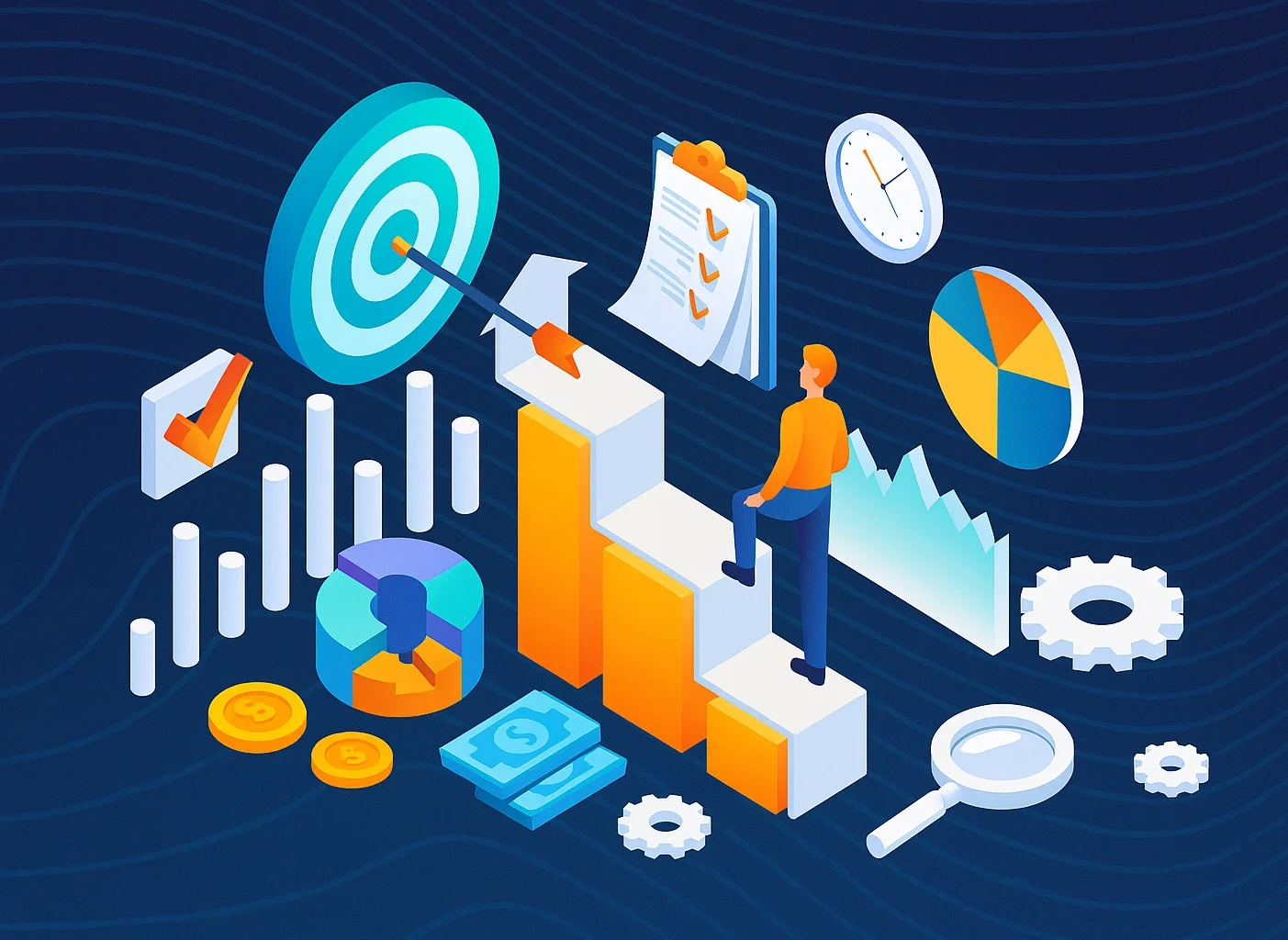
The following Vendor Risk Management Value Pyramid provides a simple model for fully operationalizing risk management in your organization.

Level 1: Visibility (Know Who Your Vendors Are And Why They Matter)
Start with a complete, accurate supplier record that centralizes vendor data, defines criticality tiers, and maps each vendor to the processes and data they impact.
Level 2: Control (Embed Risk Requirements In Contracts And Workflows)
Once vendors are visible, formalize risk management through enforceable controls such as contract clauses, SLAs, audit rights, security obligations, insurance requirements, and regulatory provisions. Embed these controls into procurement workflows across sourcing, onboarding, and contract execution.
Level 3: Monitoring (Detect Drift And Emerging Risk Continuously)
Continuous monitoring includes refreshing due diligence data, tracking expirations (certifications, insurance, etc.), analyzing supplier performance signals, and incorporating external intelligence where applicable.
Level 4: Mitigation (Route Issues To Owners And Close The Loop)
Assign ownership and set up triggers for automated corrective actions. You should also define remediation SLAs and escalate issues when needed. Closed-loop processes such as these help you to resolve and document risks and strengthen risk mitigation overall.
Level 5: Value (Reduce Loss, Improve Continuity, And Protect Spend Outcomes)
At the top of the pyramid, VRM delivers measurable business value, reducing cost leakage, preventing disruptions, minimizing compliance failures, and protecting supplier performance. By connecting risk management directly to procurement outcomes, VRM supports resilience and spend optimization.
How IVA Strengthens Risk Scoring And Actionability
Within a modern vendor risk management framework, Ivalua’s Intelligent Virtual Agent (IVA) enables continuous, operational vendor risk management.
It aggregates signals across financial, geographic, compliance, sustainability, performance, and infosec dimensions by drawing inputs from providers like Dun & Bradstreet, Moody’s, EcoVadis, and Prewave. Then it generates risk scores automatically and updates them on a schedule or when triggered.
IVA also makes risk actionable. Real-time alerts route changes directly into supplier workflows, while AI validates documents and flags clause deviations.
IVA powers search across contracts and vendor risk management certifications to reduce manual effort, and when issues emerge, it can generate improvement plans with recommended actions and KPIs. This connection between performance and risk is central to supplier performance management.
Vendor Risk Management Process (Enterprise-Scale, Step By Step)
Below is what an enterprise-ready vendor risk management process looks like in practice.
Step 1: Segment Vendors By Criticality And Exposure
Start by classifying vendors based on business impact and risk exposure, to ensure high-risk vendors receive deeper scrutiny. Key criteria include spend, system access, data sensitivity, substitutability, geographic concentration, regulatory impact, and operational dependency.
Step 2: Standardize Due Diligence And Evidence Collection
Define a consistent set of required inputs for onboarding and periodic review, including security attestations, certifications, financial health indicators, ESG and compliance documentation, insurance coverage, and subcontractor disclosures. Standardization reduces gaps and makes risk comparable across vendors.
Step 3: Make Risk Requirements Contractual
Embed minimum controls directly into contracts such renewal gates tied to compliance, right-to-audit clauses, incident notification requirements, and data processing terms where applicable. This helps to ensure accountability.
Step 4: Implement Continuous Monitoring And Review Cadence
Implement triggers for continuous monitoring, such as expired certifications, new risk incidents, supplier performance degradation, business changes (e.g., ownership or financial shifts), and relevant geopolitical developments. This keeps risk visibility current and actionable.
Step 5: Run Remediation Workflows With Named Owners
When issues arise, route them into defined workflows with clear accountability. Examples include corrective action plans, escalation paths, stop-buy decisions, or alternate sourcing strategies. Effective steps in vendor risk management depend on closing the loop.
Step 6: Prove Readiness (Dashboards, Audit Trails, Reporting)
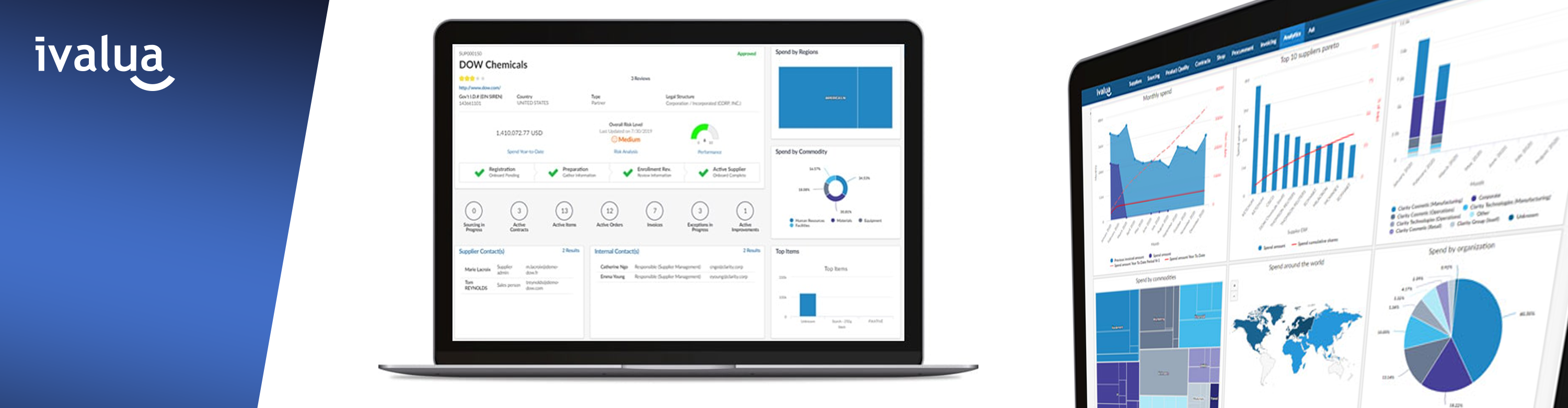
Make risk visible at the executive level using dashboards that show risk distribution by tier, overdue remediations, top exposures by spend and criticality, and time-to-close metrics. Maintain complete audit trails to help with defensibility.
Leading organizations support these steps with supplier risk management solutions like Ivalua, which help to ensure that risk management is consistently executed across the enterprise.
Vendor Risk Assessment (What To Assess, How To Score, How To Act)
A strong supplier risk assessment standardizes due diligence and drives clear action. In the enterprise, assessments must be consistent and directly tied to procurement decisions.
Risk Domains To Cover In Every Assessment
Every vendor should be evaluated across a core set of risk domains:
- Cybersecurity: Controls, vulnerabilities, incident history, and security posture
- Data/privacy: Access to sensitive data, data handling practices, and regulatory exposure (e.g., GDPR, CCPA)
- Financial/viability: Creditworthiness, financial stability, and likelihood of disruption or failure
- Operational/continuity: Dependency level, resilience, geographic exposure, and business continuity planning
- Regulatory/compliance: Certifications, audit readiness, and adherence to industry-specific regulations
- ESG/ethical: Environmental, social, and governance factors where relevant to brand, compliance, or investor expectations
Build A Risk Rating That Reflects Business Impact (Not Just Findings)
Effective risk rating models prioritize what matters. The standard approach combines likelihood and impact, but you should adjust impact based on vendor priority and spend exposure.
For example, a moderate cybersecurity gap at a low-impact vendor may remain low priority, while the same issue at a high-spend, mission-critical supplier becomes a top-tier risk.
Turn Risk Findings Into Contract And Workflow Controls
Assessment only creates value when it drives action. That’s why it’s important to translate risk findings directly into enforceable controls and operational decisions. These may include:
- Stronger SLAs and performance thresholds
- More frequent attestations and compliance checks
- Restricted system or data access
- Additional approval layers for high-risk vendors
- Dual sourcing or contingency planning for critical suppliers
For more on how risk management integrates across supplier processes, see Supplier Risk Management (SRM).
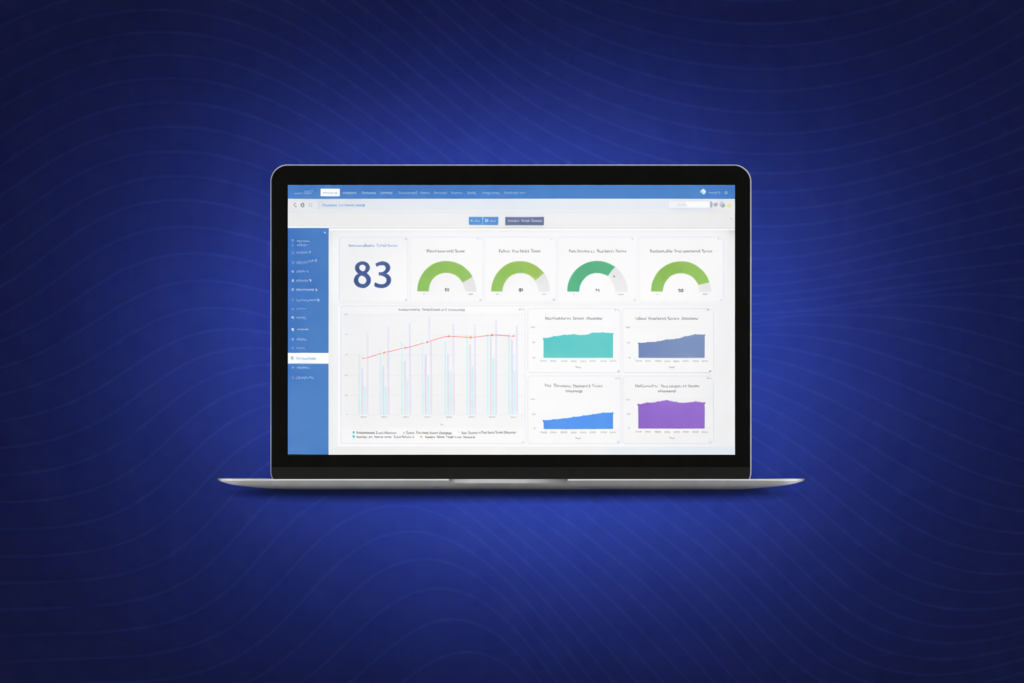
Vendor Scorecards Make Risk And Performance Actionable In The Same View
Managing risk in isolation often leads to “compliance theater” – when issues are documented but not tied to real supplier outcomes. Combining vendor performance and risk in a single vendor scorecard makes risk visible in the same context as delivery, cost, and service quality, helping to ensure that risk signals directly influence sourcing decisions and supplier performance reviews.
Vendor scorecards provide a common lexicon across all stakeholders in Procurement, Risk, Security, and Legal, helping to align teams around a shared set of metrics.
At a minimum, an effective vendor scorecard should include:
- Performance KPIs (delivery, quality, cost, service levels)
- Compliance status (certifications, policy adherence, regulatory requirements)
- Open issues and identified risks
- Remediation SLAs and progress tracking
- Renewal readiness (including risk-adjusted supplier evaluation)
This structure supports continuous monitoring while surfacing performance degradation and emerging risks in real time. When included in a unified platform, teams can maintain a single supplier record that connects performance data and risk evidence.
How AI And Agentic Workflows Change Vendor Risk Management
AI changes vendor risk management by changing how work gets done. Agentic workflows replace manual, periodic tasks into continuous in-process actions, while humans define the guardrails.
IVA, Ivalua’s Intelligent Virtual Agent leverages this model to act as a copilot across the S2P lifecycle, orchestrating workflows across supplier onboarding, assessment, contracting, monitoring, and remediation.
Ivalua’s approach is built on three core pillars:
- Trusted System of Record with a single unified data model: All supplier data, contracts, transactions, and risk signals live in one place. This ensures that AI operates on complete, consistent data, so risk assessments reveal actual supplier exposure.
- Coordinated System of Action and automated Workflows: IVA executes key VRM tasks such as aggregating risk data, triggering reassessments, validating documents, routing alerts, and initiating remediation workflows – all directly within your procurement processes.
- Adaptive System of Governance with clear-box transparency and no-code configuration: Every AI-driven action is explainable and configurable. Teams define the thresholds and escalation paths to align with corporate policies and overall risk tolerance.
Ardent Partners highlights use cases such as automated risk scoring, real-time alerting, document validation, and GenAI-driven improvement plans as part of an integrated workflow. Instead of reviewing risk after the fact, teams can continuously monitor vendors and resolve issues as they emerge.
Use AI To Reduce Assessment Time And Increase Consistency
AI improves vendor risk assessment by standardizing how information is analyzed and acted on. It reduces manual effort while eliminating variability across reviewers.
With IVA, procurement teams can use AI to:
- Chat with Documents: Extract relevant evidence from certifications, policies, and onboarding materials while identifying gaps or inconsistencies.
- Summarize Contracts: Surface key obligations and risk clauses to ensure alignment with policies.
- Create Improvement Plans: Draft corrective action plans with recommended steps and measurable KPIs.
- Create Questionnaires: Streamline due diligence by guiding responses and standardizing evaluation inputs.
- Simplify Communications: Automate follow-ups to vendors for missing documentation or clarification.
The result is faster, more consistent due diligence, with assessments that are comprehensive and comparable across vendors.
This is exactly the workflow recognized by Ardent Partners, which named Ivalua a GenAI pioneer in its 2025 Supplier Management Technology Advisor report for supplier assessment summaries and supplier document evaluation.
Use AI To Triage Risk Signals And Route Remediation
AI makes continuous monitoring actionable by triaging risk signals in real time and routing them to the right owners with context. It assigns teams validated issues based on their priority directly inside their existing procurement workflows.
IVA’s coordinated in-workflow capabilities include:
- e Risk Monitoring: Uses anomaly detection to surface emerging risks across performance, delivery, quality, compliance, and integrated third-party feeds.
- Category Intelligence: Aggregates signals at the category level to identify risks and supplier dependencies.
- Alerts: Surfact risk signals in dashboards and task queues and tie them to supplier records, reducing reliance on email.
This model helps to identify and address risk across the supplier lifecycle.
Keep Humans In Control (Governance, Auditability, Clear Ownership)
Agentic AI changes execution while enforcing governance, so that low-risk actions can auto-execute, while high-impact decisions require human approval. This model preserves control without slowing down the vendor risk management process.
Ivalua’s Adaptive System of Governance ensures that every action IVA takes strengthens your risk posture:
- Clear-box Transparency: Every agent action is logged with inputs, data sources, and reasoning, making risk monitoring fully explainable and audit-ready.
- Role-appropriate Autonomy: Routine, low-risk tasks (e.g., document validation, reminders) can execute automatically, while high-risk actions (e.g., supplier suspension, contract changes) require approval.
- IVA Studio™ (no-code configuration): Teams can define and update skills rules, thresholds, and workflows without engineering support, keeping governance aligned with evolving policies.
- Native Audit Trails: Full traceability across supplier data, contracts, and actions ensures defensibility for regulators and internal stakeholders.
IVA orchestrates and operationalizes these controls across S2P by embedding governance directly into daily workflows. With Ivalua’s Compliance and Control Solutions, you can scale automation without compromising on accountability.
This foundation also sets up the GenAI-driven workflows recognized by Ardent Partners, particularly in supplier assessment summaries and document evaluation.
The Financial Impact Of Modern Vendor Risk Management: Insights From Forrester’s TEI Study
The May 2025 Forrester Total Economic Impact (TEI) study, commissioned by Ivalua, is based on interviews with customers including CACI, Hiscox, and global aerospace/industrial firms. It demonstrates what happens when VRM is embedded in a unified spend and supplier platform rather than fragmented vendor risk management tools.
Forrester modeled a composite enterprise ($1B revenue, $500M spend, 10,000 suppliers), with results calculated as risk-adjusted, three-year present value:
- 393% ROI, $25.5M NPV, and payback in under six months: The sub-6-month payback is the key takeaway for procurement leaders,this is not a long-horizon transformation. It delivers measurable value within the same fiscal year.
- $24.2M in procurement efficiency savings (≈2.25%–2.35% of total spend): Forrester ties this directly to improved processes across sourcing, contract management, and supplier governance,along with a 20–30% reduction in procurement and AP operating costs. In practice, this is risk mitigation: fewer errors, fewer disruptions, and tighter control over spend outcomes.
- 80% faster onboarding = reduced risk exposure ($5.4M savings): Supplier onboarding dropped from 336 hours (14 days) to a fraction of that time. CACI reduced onboarding from 21 days to under 24 hours with 98% enablement, while Hiscox rationalized its supplier base from 10,000+ to ~3,000. Faster onboarding reduces the window where suppliers operate without full risk assessment and controls.
- Audit trails and compliance at scale (unquantified but material): Forrester highlights centralized, auditable supplier records, embedded controls, and reduced fraud/error exposure as key benefits. At CACI, 7,000 audit reports that once took an hour each were reduced to a single-click process.
- $1.2M in legacy cost savings by decommissioning six tools: Tool consolidation reduces the risk surface. Every disconnected system can potentially introduce broken audit trails and gaps in supplier visibility. A unified platform eliminates these gaps and strengthens control across the lifecycle.
Per the study’s outcomes, standardizing workflows, centralizing supplier records, accelerating cycle times, and embedding controls into execution is essential for effective contract management. What’s more, unified data and automated audit trails are what make agentic VRM defensible to a CFO.
Now let’s look at the results and an Ivalua client has improved visibility and control across the supplier lifecycle.
How A Gambling And Entertainment Crown Corporation Achieved 5 Days To 3 Hours Vendor Risk Assessment With Ivalua
A leading public-sector gambling and entertainment Crown corporation was relying on fragmented systems and manual processes to manage a complex vendor and contract landscape.
Its lean procurement team was responsible for more than 960 contracts annually, yet lacked a unified view of supplier risk and obligations.
The lack of visibility led to auto-renewals with potential $250,000 in annual losses, while requiring about 12 hours per week to reconcile contract versions across disconnected platforms.
With Ivalua, the organization centralized supplier, contract, and risk data onto a single platform, embedding vendor risk management directly into procurement workflows. The results were significant:
- Vendor risk assessments dropped from five days to just three hours
- User satisfaction with contract management rose from 60% to 95%
- Procurement team capacity increased by 15%
- Enabled automation that is expected to reduce contract lifecycle times by 25%
“We shouldn’t have to dig through emails on vacation to find contract status. We need one place to see where contracts stand and who’s responsible. With Ivalua, mitigating roadblocks like this is simple.”
Senior Inventory Analyst at a Gambling and Entertainment Crown Corporation
Read the full Crown corporation case study.
Run Vendor Risk Management As A Lifecycle System, Not A One-Time Assessment
Vendor risk management delivers real value when it operates as a connected, continuous system that centralizes supplier records, enforces controls through contracts and processes, automates monitoring, and closes remediation loops.
These outcomes can only be realized with a solution that offers modern supplier management features and connects data, workflows, and controls across the entire S2P lifecycle.
Strengthen Vendor Risk Management Across Your Enterprise
FAQs
Vendor risk management is the process of identifying, assessing, mitigating, and continuously monitoring risks introduced by third-party vendors across the supplier lifecycle. It ensures that vendors do not expose the organization to security, financial, operational, or compliance risks.
A typical vendor risk management process includes segmenting vendors by risk, conducting due diligence, embedding controls in contracts, implementing continuous monitoring, and managing remediation through defined workflows. At enterprise scale, these steps are standardized and connected to procurement execution.
A vendor risk assessment should evaluate cybersecurity, data/privacy, financial stability, operational resilience, regulatory compliance, and relevant ESG factors. The goal is to quantify risk exposure and prioritize action based on business impact.
Vendors should be reassessed on a continuous basis using continuous monitoring and defined review cadences based on risk tier. Triggers like expiring certifications, performance changes, or new incidents should prompt real-time risk monitoring and reassessment.
Third-party risk management typically focuses on suppliers involved in procurement, while third-party risk includes a broader set of external relationships such as partners, contractors, and service providers. In practice, most enterprises treat them as overlapping disciplines within a unified framework.
Effective vendor risk management software should provide a centralized supplier record, configurable workflows, integrated risk data, continuous monitoring, and full audit trails. The best vendor risk management tools also connect risk directly to contracts, performance, and procurement processes to enable real-time action.