

Most procurement platforms tout efficiency as a key differentiator, yet many teams still grapple with disconnected tools, limited visibility, and manual workarounds.
In this guide, we explore various solutions and the features that actually matter in an enterprise cloud-based procurement platform. We also provide a practical scorecard you can use in demos to evaluate what “good” looks like.
Key Takeaways
- A cloud-based procurement platform should connect sourcing, procurement, invoicing, and analytics on a single system.
- Strong multi-ERP support and embedded governance provide visibility and consistent processes across regions and business units.
- Leading platforms unify data and workflows to enable real-time decision-making, reducing complexity associated with fragmentation.
- A structured demo scorecard can help you validate cloud platform capabilities and help ensure the platform meets your operational needs.
What Is a Cloud-Based Procurement Platform?
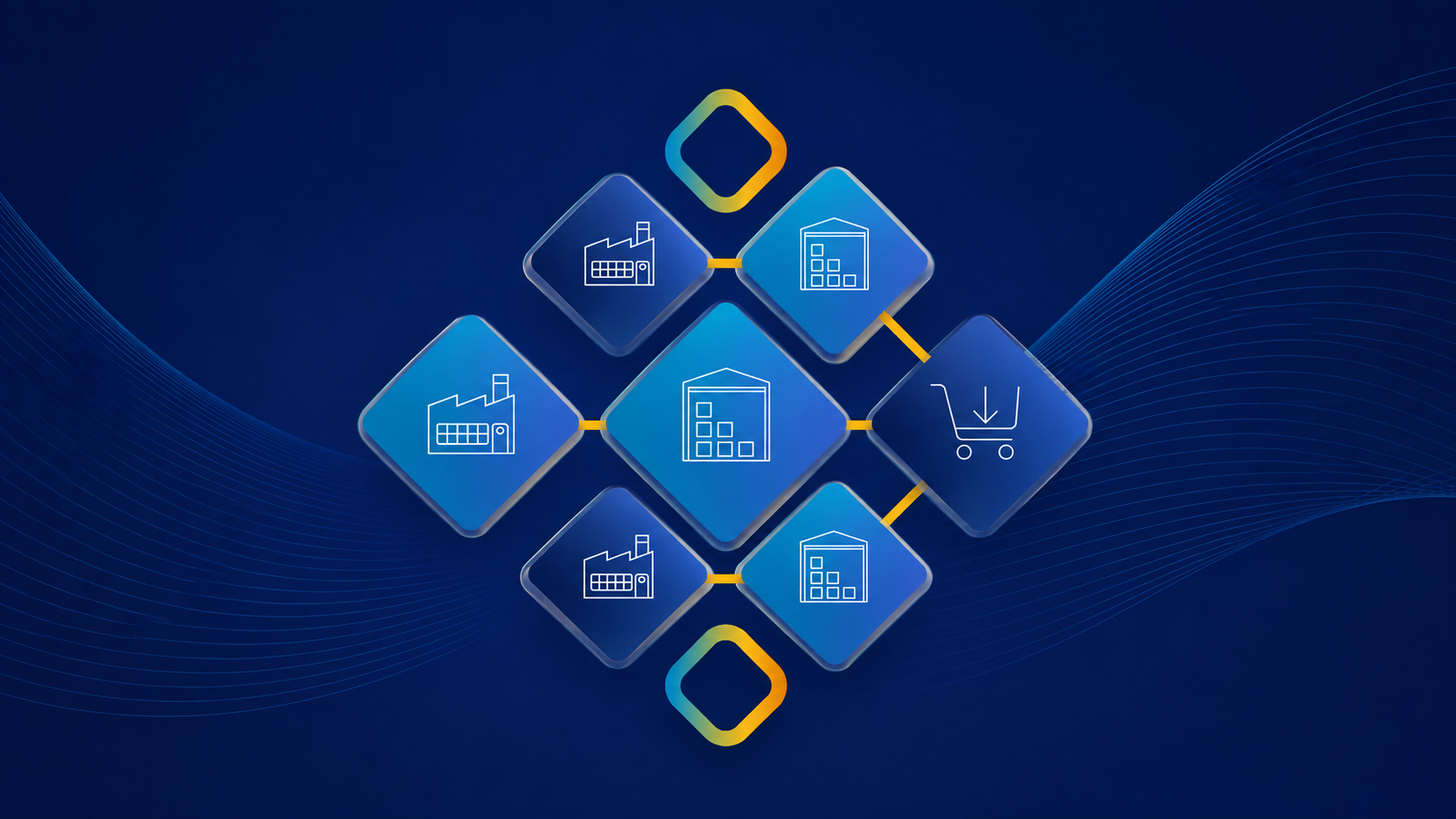
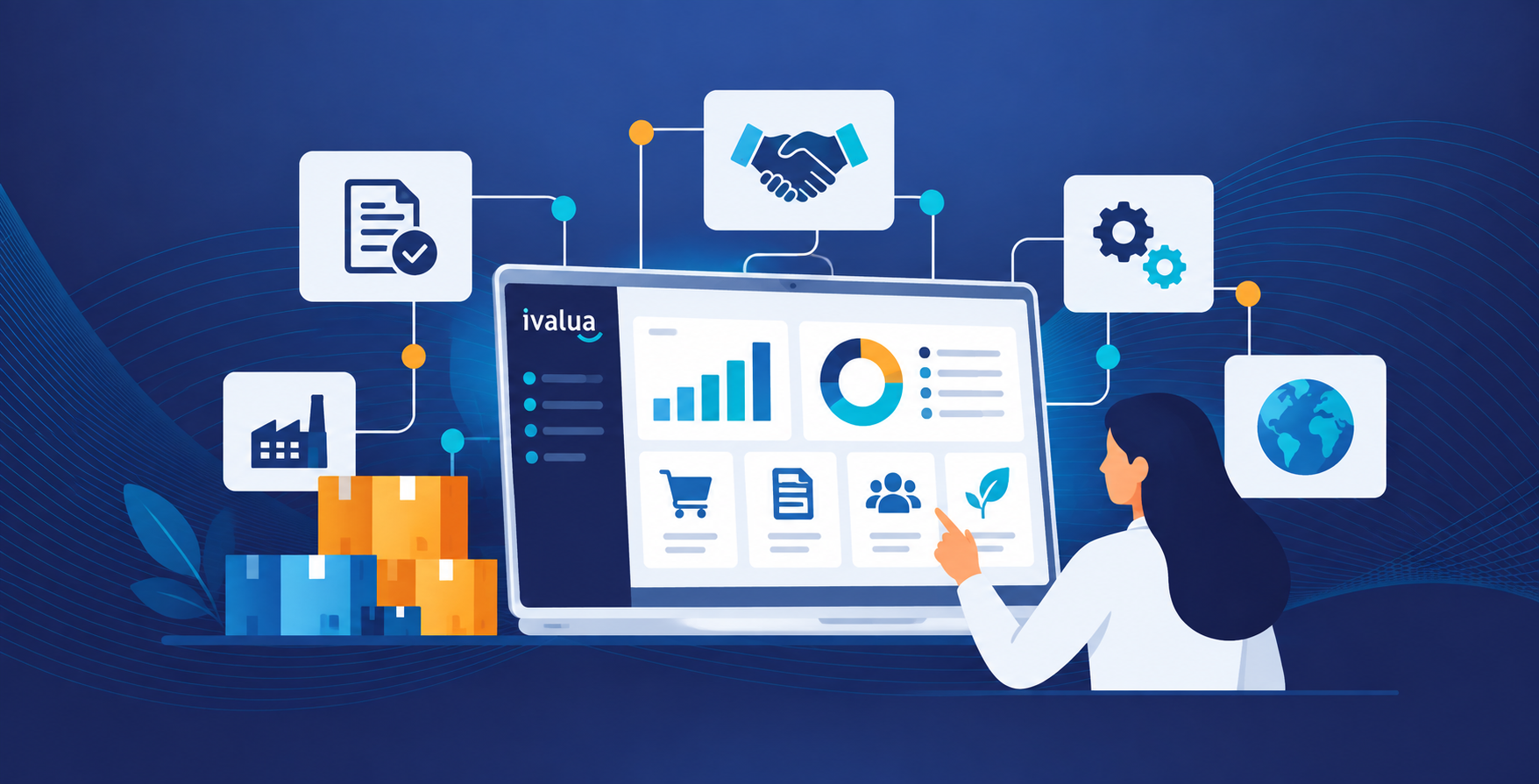
A cloud-based procurement platform is an enterprise operating layer that orchestrates workflows, policies, supplier data, contracts, and transactions across business units.
It’s a unified system that connects sourcing, purchasing, invoicing, and reporting to enable real-time visibility and centralized governance.
According to the 2026 Gartner Magic Quadrant for Source-to-Pay (S2P) Suites, leading platforms are cloud-native, modular, and ERP-agnostic. They provide value with a seamless end-to-end data flow.
To that end, enterprises are evolving their cloud procurement strategy, beginning with eProcurement or invoicing, then expanding from there.
How Cloud Procurement Works in an Enterprise Manufacturing Environment
In an enterprise manufacturing environment, cloud procurement operates as a connected workflow spanning intake, requisitions, approvals, ordering, receiving, invoicing, and payments.
It functions across multiple entities, currencies, and ERPs. Business outcomes depend on data being connected and controls being enforced properly.
However, according to OECD (2025), many systems still provide limited integration. As a result, ERP connectivity is a key differentiator, and leading Source-to-Pay tools enable true digital procurement by unifying workflows across systems.
Ivalua, for example, connects processes and controls end-to-end. It enables purchasing to link to approved suppliers and contracts, and match invoices to POs and receipts, while tying analytics back to sourcing decisions.
This helps organizations ensure that their suppliers are delivering on the negotiated value.
Benefits of a Cloud-Based Procurement Platform
The benefits of a cloud-based procurement platform ties directly to a capability that improves how procurement operates at scale:
- Spend Visibility: A unified data model provides real-time insight into direct and indirect spend across categories and regions, improving forecasting and sourcing decisions.
- Compliance and Control: Embedded policies and approval workflows help to ensure purchases align with approved suppliers and contracts. This reduces maverick spend and compliance risk.
- Cycle Time Reduction: Automated workflows eliminate manual handoffs and accelerate procurement and payment cycles.
- Working capital optimization: Accurate invoice matching and payment timing improve cash flow management, which, in turn, enables organizations to capture early payment discounts and avoid late fees.
- Supplier performance and risk management: Centralized supplier data and scorecards provide critical insights into supplier performance.
- Operational resilience: Connected processes and data help organizations act quickly to resolve disruptions and provide visibility into alternative suppliers.
Unification is a key differentiator of modern procurement technology. A unified procurement system eliminates fragmented data and duplicate supplier records, which helps to reduce manual work while improving coordination across the function.
Solutions and Features an Enterprise Cloud Procurement Platform Must Cover
The following sections break down the core solution areas that define an enterprise-grade procurement platform. You can use these criteria as you evaluable which platform will best support real-world procurement operations in your organization.
Intake Management and Guided Buying
Intake management is one of the most critical parts of the procurement process because it defines how demand enters procurement.
A robust platform like Ivalua takes in requests via multiple channels and triages them automatically, based on rules such as category, value or urgency. It then routes them to the right path (i.e. catalog, RFQ, or sourcing).
Platforms can also provide guided buying and embed policies into the process. This helps reduce rogue spending and improve compliance.
Leading Procure-to-Pay platforms integrate intake seamlessly into broader workflows. They often build on core eProcurement capabilities to help ensure that requests flow directly into purchasing and invoicing.
Ivalua, for instance, offers Intake Management capabilities that standardize how organizations capture demand, route requests, and create a seamless experience for requesters.
Requisition Management and Approval Workflows
During requisition management, purchases are authorized and controlled. A robust procurement platform provides support for budget checks, role-based approvals, and the implementation of thresholds. They also enforce segregation of duties, enable audit trails, and support exception handling.
These capabilities help to ensure the right oversight while accelerating low-risk requests through automated paths. This helps reduce risk and tighten financial control, without inhibiting the business.
Additionally, Ivalua’s configurable approval workflows and policies can be easily configured to adapt by category, plant, risk level, spend threshold, and geography.
Catalog Management and Tail Spend Control
Catalog management simplifies compliant, guided buying from catalogs featuring contract pricing with approved suppliers. For spot buys, having policies and approval workflows in place helps to capture tail spend.
With strong controls in place, you can implement a fast and intuitive experience, increasing contract compliance and reducing maverick spend. Modern eProcurement software within cloud procurement platforms such as Ivalua enables this at scale.
Purchase Order Management and Receiving
Efficient PO management includes automated processes such as PO creation, supplier confirmations, change orders, and receiving. By putting in place checks and thresholds, you can catch issues early and reduce the number of exceptions while increasing efficiency and accuracy.
Leading Procure-to-Pay solutions integrate PO and receiving workflows tightly with finance and inventory systems. This modern model for procurement technology enables better operational control, with integrated ERP, receiving, and finance systems. By maintaining a single audit trail from requisition to PO to receipt, you can improve traceability and control.
Invoice Management, Three-Way Matching, and Exception Handling
Leading platforms like Ivalua automate the process of transforming Accounts Payable by using AI-powered ‘Smart Matching’ to touchlessly capture and validate invoices against purchase orders, receipts, and even complex contract terms.
By digitizing every invoice stream, from PDF to EDI, these systems utilize automated exception routing and embedded fraud controls, such as bank account validation, to resolve discrepancies and prevent value leakage.
This shift enables faster cycle times and increased accuracy while liberating AP teams from manual tasks. As noted by ScienceDirect (2025), intelligent, AI-enabled Source-to-Pay systems significantly improve processing speed and strengthen three-way match capabilities, a foundation Ivalua enhances through a unified data model that ensures global tax and regulatory compliance.
Payments and Working Capital Controls
Payment workflows check the accuracy of all invoices, and prepare them for finance. Alignment with finance is critical. It optimizes working capital and strengthens supplier relationships through predictable payment timing
Top-tier vendor payment platformsplatforms provide a unified ‘single source of truth’ that accelerates validation to capture early payment discounts and prevent value leakage.
By automating payment orchestration and integrating seamlessly across the Source-to-Pay process, these systems ensure clean data flows directly from procurement to finance, eliminating reconciliation errors and manual overhead. .
Contract Management and Contract Lifecycle Visibility
Contract management is about enforcing the terms you have negotiated with vendors. Done well, it improves compliance and reduces risk and revenue leakage, while improving your audit posture.
Powerful contract management solutions like Ivalua’s CLM enable enterprises to transform contracts into valuable assets and turn contract data into actionable insights.
Ivalua allows you to monitor contract health, compliance, risk, and performance with interactive dashboards and analytics to drive continuous improvement with real-time visibility into cycle time, value, and consumption.
eSourcing and Strategic Sourcing
eSourcing and strategic sourcing is about enabling structured, repeatable processes, from RFx creation and supplier evaluation to awarding and negotiation. Templates, scoring models, and approval workflows help to ensure governance and traceability.
What matters is how sourcing connects to execution. Information about suppliers and terms flow directly into contracts and purchasing, eliminating rework and helping you realize the negotiated outcomes. Strong eSourcing solutions help you select top-tier suppliers and provide full visibility into how sourcing decisions impact spend.
Unified procurement platforms like Ivalua embed strategic sourcing within a unified system, integrating supplier data, contracts, and Procure-to-Pay workflows so you have a single source of truth and can avoid “swivel-chair” processes.
SRPM
Supplier management starts with onboarding and spans the full supplier lifecycle. The best supplier management platforms streamline onboarding by making it easy to manage supplier data and comply with regulations. They typically support segmentation, supplier collaboration, and ongoing performance evaluation and improvement.
The results of effective supplier management software that automates and integrates all of these capabilities can be significant.
OECD noted that Chile reduced supplier registration time to less than one day through automated document retrieval, demonstrating how connected systems and streamlined workflows can dramatically improve onboarding efficiency.
With accurate, centralized supplier data and clear collaboration processes, organizations can respond more effectively to disruptions and performance issues, as well.

Pro Tip
Consult the 2026 Guide to Supplier Performance Management (SPM)
Spend analysis enables you to gain actionable insights from your procurement data. It provides visibility across suppliers, categories, and business units via dashboards and reporting, so you can track trends and identify potential for savings.
However, for spend analysis to be valuable, data quality is essential. Spend analysis solutions like Ivalua embed spend analysis within a unified platform, using a single source of supplier and transaction data to deliver consistent, reliable reporting across the organization.
Now that you understand the capabilities that define a best-in-class cloud-based procurement platform, the next hurdle is learning how to evaluate potential solutions and validate that the platform you choose will deliver on those capabilities in practice.
In the next section, we provide a structured scorecard you can use during demos and pilot, so you can avoid surprises and long-term lock-in.
Platform Fit Scorecard (Use This in Demos to Avoid Surprises and Lock-In)
This scorecard turns vendor claims into demo validation steps so you can test whether a platform delivers real visibility, control, cycle time improvement, and compliance. Use it in demos with your own scenarios, data, and edge cases.
1) Integration Reality Check (Multi-ERP, Multi-Entity)
What to ask:
- How do you integrate with multiple ERPs across entities and regions?
- What’s out-of-the-box vs. custom?
What to test (in demo):
- Create a requisition in Entity A – route to ERP A; repeat for Entity B – ERP B
- Show real-time sync of suppliers, POs, and invoices across systems
Pass signals:
- Prebuilt connectors, real-time sync, consistent data model across entities
Fail signals:
- Batch-only sync, heavy custom code, separate data models per ERP
2) Process Coverage Map (End-to-End S2P/P2P)
What to ask:
- Which parts of Source-to-Pay are native vs. add-on?
- Where do handoffs occur?
What to test (in demo):
- Run a full flow: intake, requisition, approval, PO, receipt, invoice, payment
- Show sourcing event, contract, catalog, PO linkage
Pass signals:
- Single workflow with traceability; no swivel-chair between tools
Fail signals:
- Gaps between sourcing, contracts, and P2P; duplicate data entry
(Aligns to modern Source-to-Pay platform and Procure-to-Pay solutions expectations.)
3) Governance + Controls (Roles, Policies, Audit Trail)
What to ask:
- How are approvals, thresholds, and segregation of duties configured?
- How is policy enforced in guided buying?
What to test (in demo):
- Trigger approvals by value/category/geography
- Show audit trail from requisition to PO, invoice, and exception resolution
Pass signals:
- Role-based controls, configurable policies, complete audit trail
Fail signals:
- Hard-coded rules, limited configurability, fragmented audit logs
4) Data Portability + Exit Plan (Avoid Lock-In)
What to ask:
- How can we export suppliers, contracts, transactions, and history?
- What APIs and data models are exposed?
What to test (in demo):
- Export supplier master, contracts, and transaction history
- Demonstrate API access to core objects
Pass signals:
- Open APIs, structured exports, clear data ownership
Fail signals:
- Proprietary formats, restricted access, unclear exit paths
5) Adoption Drivers (Requester UX, Guided Buying, Change Enablement)
What to ask:
- How do you drive requester adoption across plants and roles?
- What does guided buying look like for non-procurement users?
What to test (in demo):
- Create a request via catalog, free-text, and service intake
- Follow guided buying to compliant suppliers/contracts
Pass signals:
- Intuitive UX, embedded policy guidance, fast request-to-PO flow
Fail signals:
- Complex navigation, reliance on training, frequent workarounds
A platform that passes this scorecard can deliver significant operational impact. Ivalua meets these criteria through low-code/no-code configurability and modular deployment, enabling organizations to easily adapt workflows, integrate across systems.
Gartner Magic Quadrant Spotlight: What “Enterprise-Grade” Means for Cloud S2P Suites in 2026
The 2026 Gartner Magic Quadrant for Source-to-Pay (S2P) Suites provides a useful lens for defining what “enterprise-grade” actually means in practice.
Gartner’s framework sets a minimum bar for scale, maturity, and global delivery. Buyers can use these recommendations as the basis for a checklist when evaluating platforms.
Vendors included in the report include Coupa, ebidtopay, Esker, GEP, Ivalua, JAGGAER, Mercado Eletrônico, Oracle, SAP, Synertrade, ZHENYUN Technology, Zip, and Zycus.
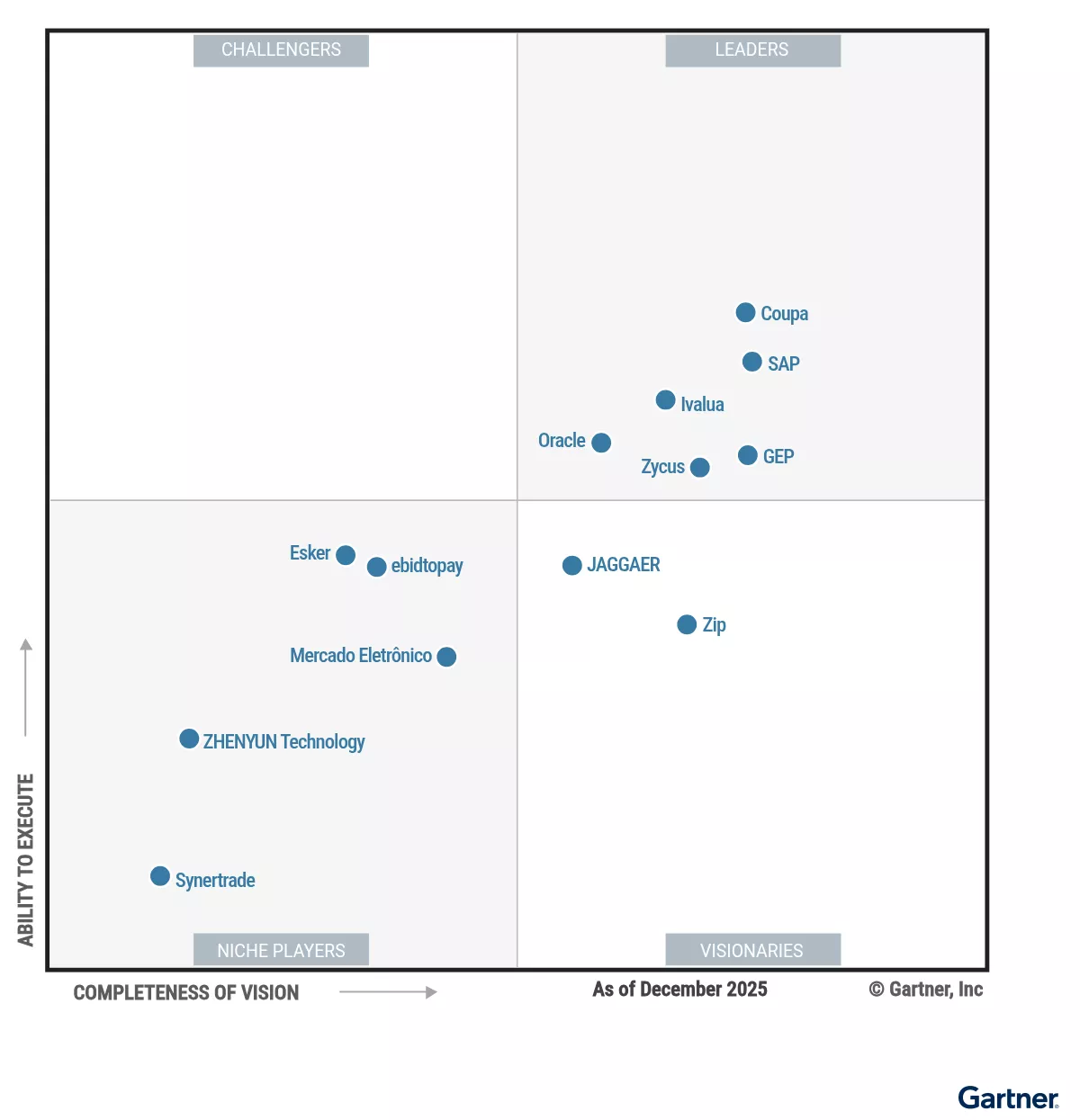
<strong>2026 Gartner® Magic Quadrant™ for Source-to-Pay Suites</strong>
Ivalua Named Again as a S2P Leader
<a href="https://info.ivalua.com/reports/2026-gartner-magic-quadrant-for-source-to-pay-suites-ivalua" data-type="link" data-id="https://info.ivalua.com/reports/2026-gartner-magic-quadrant-for-source-to-pay-suites-ivalua" target="_blank" rel="noreferrer noopener">Learn More</a>The S2P market is scaling fast
Gartner forecasts the S2P software market will grow at a 16.3% five-year CAGR, reaching approximately $18.685 billion by 2029.
What this means for buyers: Treat S2P as a long-term operating layer decision. You will expand scope over time, so platform flexibility and scalability are critical.
A true S2P suite is cloud SaaS, modular, and ERP-agnostic
Gartner defines S2P suites as cloud-based, modular SaaS platforms that operate independently of ERP systems. Value is driven by end-to-end data flow across sourcing, contracts, procurement, receiving, and invoicing/payments.
What this means for buyers: Prioritize platforms that connect workflows and data across the full lifecycle rather than disconnected modules that create new silos.
“Enterprise-grade” requires proven production scale
To qualify, vendors must have at least 40 live customers with $500M+ in revenue running required modules in production.
What this means for buyers: Validate real-world deployments at your scale. Ask for customer references that match your complexity.
Momentum matters
Vendors must demonstrate continued enterprise adoption, including at least 12 new large customers in a single year purchasing core modules.
What this means for buyers: Focus on vendors actively winning enterprise rollouts today. This signals product relevance, delivery capability, and ongoing investment.
Global capability is a baseline requirement
Vendors must support deployments across multiple geographic regions with active customers in each.
What this means for buyers: If you operate globally, treat localization, regulatory support, and governance as core requirements.
GenAI and agentic AI are now essential—and pricing matters
Gartner emphasizes that strong generative and agentic AI strategies are now required, and warns that pricing models can vary widely (included features, add-ons, token-based pricing, or usage uplifts).
What this means for buyers: Evaluate AI capabilities and pricing early. Define expected outcomes, required data, and guardrails to avoid unexpected costs.
These criteria reflect why enterprises choose full-suite platforms like Ivalua when they must standardize across multiple ERPs, regions, and policy regimes.
How Veolia achieved €16B spend control and strategic sourcing scale with Ivalua
Veolia, a global leader in energy and utilities, needed to manage a complex supplier ecosystem, balancing global procurement strategy with local execution across regions. However, disconnected systems were limiting visibility into spend and supplier performance. This made it difficult to coordinate procurement activities or fully leverage strategic supplier relationships. As a result, efficiency and supplier engagement suffered.
Using Ivalua, Veolia centralized its supplier repository into a single source of truth, which enabled real-time financial reporting that aligned with executive needs, and the full integration with internal systems including intranet, CSR indicators, and expense reporting. They also benefitted from centralized access to contracts with end-to-end lifecycle visibility.
With Ivalua, Veolia was able to gain control of over €16B in spend, strengthen supplier collaboration, and unlock innovation across its global operations.
“We chose the Ivalua solution because of the breadth of its functional footprint and its modularity. We have a ‘glocal’ organization [of suppliers] that is very close to the business that we are able to manage as closely as possible. At the same time, we are able to benefit from the size of [our] group to establish relationships with global suppliers with added value.”
– Florence Baiget, Purchasing Director at Veolia Group
Read the full Veolia case study.
Choose a Platform That Can Run Procurement End-to-End Across Your Reality
The Platform Fit Scorecard can help you narrow your procurement platform shortlist. Once you identify two potential winners, run a structured demo to test multi-ERP integration, governance and security controls, end-to-end process coverage, data portability, and real adoption signals.
Make your decision based on outcomes – visibility, control, cycle time, and compliance, and be sure to document key assumptions around integrations, data ownership, rollout scope, and AI pricing before signing. These essential steps will help to ensure the platform you select performs optimally in your operating environment.
Choose a Cloud-Based Procurement Platform That Delivers Value
FAQs
A cloud-based procurement platform is a system that orchestrates sourcing, purchasing, invoicing, and supplier management across the full procure-to-pay lifecycle. It connects workflows, data, and policies across business units and systems to deliver real-time visibility and control.
An ERP procurement module is part of a broader procurement system focused on financial integration, while a cloud-based platform provides deeper, end-to-end procurement capabilities. It connects sourcing, contracts, suppliers, and transactions across systems rather than operating within a single ERP.
The key features of cloud procurement software include end-to-end process coverage, strong integration, embedded governance, and real-time analytics. Manufacturing teams should also prioritize supplier management, contract linkage, and guided buying to ensure control without slowing operations.
Integration capabilities should be tested by validating real-time data flow across multiple ERPs, entities, and regions during demos. Look for prebuilt connectors, consistent data models, and minimal reliance on custom integration work.
Risk and compliance controls should include role-based access, segregation of duties, audit trails, and continuous monitoring of supplier and transaction data. Strong platforms also support identity management, logging, and policy enforcement to meet enterprise security requirements.
Digital procurement implementations typically start with a focused module rollout in 3–6 months, with broader expansion over time. Modular deployment allows organizations to scale capabilities without disrupting existing operations.