


Supplier Negotiation outcomes aren’t just driven by instinct in the moment—they’re shaped by the systems and strategy behind them.
With a goal of defining commercial terms, performance expectations, and risk allocation between buyers and suppliers, your supplier negotiation strategy can help you achieve measurable value – but only when you treat negotiation as a structured, repeatable discipline.
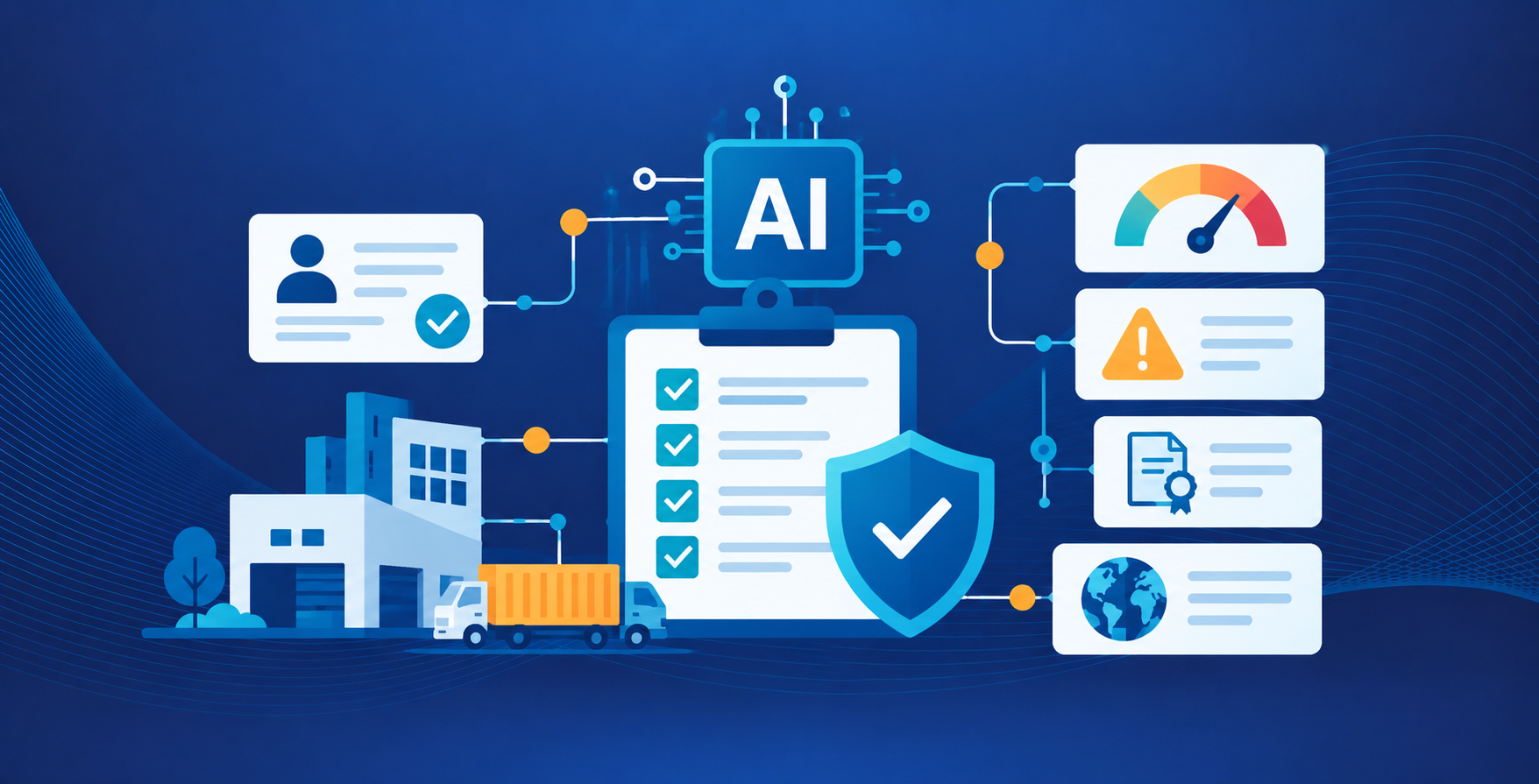
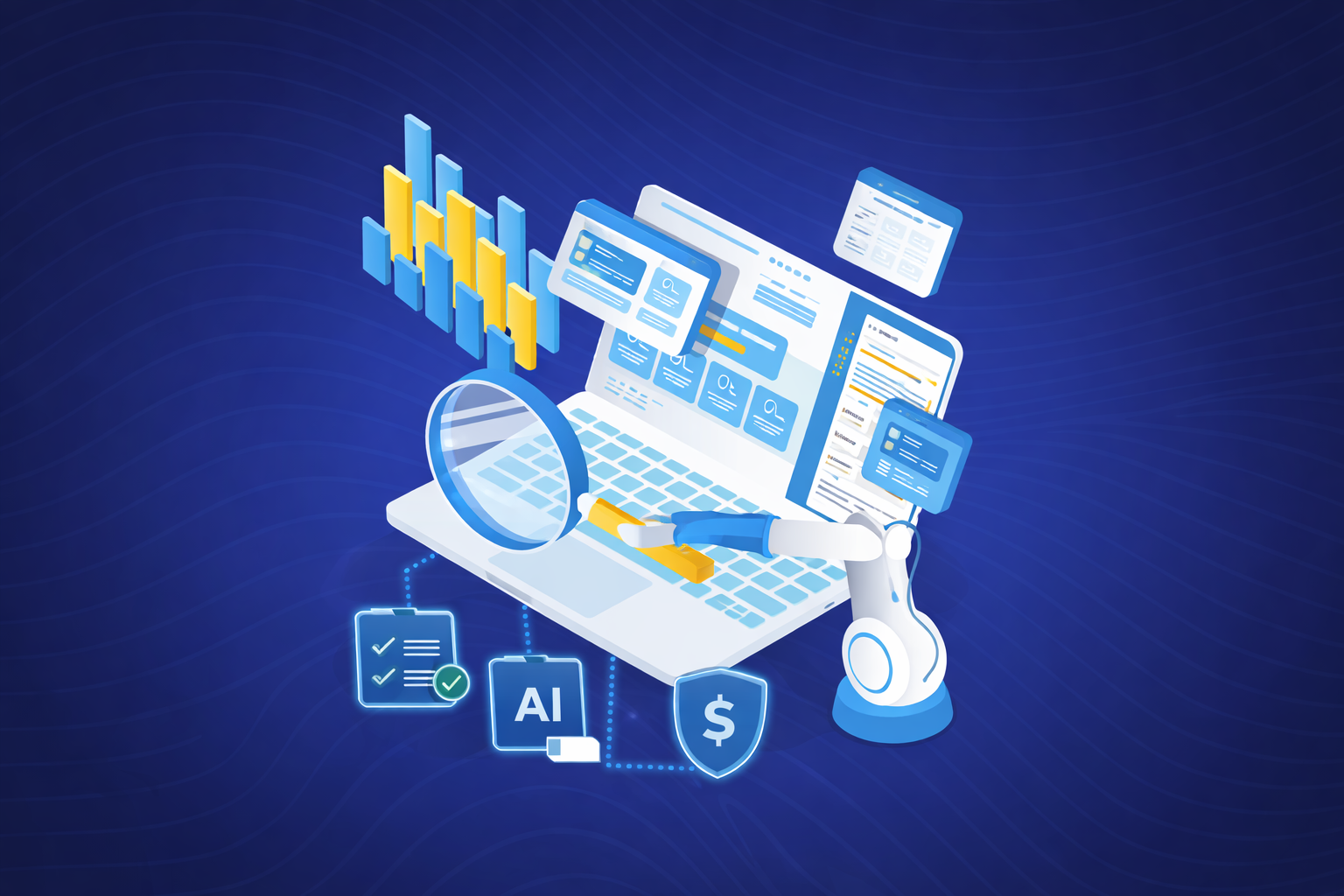
This guide introduces repeatable supplier negotiation strategies anchored in segmentation, analytics, and AI-assisted sourcing—transforming unstructured, instinct-led discussions into consistent, data-driven outcomes.
You’ll learn about the Negotiation Tier Matrix (NTM) – a unifying model that determines how to negotiate based on supplier value, risk, and leverage – and how Agentic AI now can support each stage of the vendor negotiation process from preparation to execution.
Read below to learn how you can structure supplier negotiations as a continuous, technology-enabled process, rather than isolated events.
Key Takeaways
- Supplier negotiations must be treated as a data-driven discipline with structured frameworks and analytics, in order to scale.
- Using Agentic AI to automate analysis and execution will enable your team to focus on building supplier relationships and creating value, instead of wasting time with manual work.
- The real advantage of modern supplier negotiation lies in orchestration – using data, technology, and AI together to drive consistent, scalable outcomes.
Rethinking Supplier Negotiation as a Structured, Scalable Process
Supplier price negotiation is most effective when treated as an operational discipline rather than a one-time event driven by individual experience or instinct.
Negotiations that rely on fragmented supplier data, inconsistent inputs from various sources, or people manually evaluating bids produce unreliable outcomes. For example, you may have strong leverage in some negotiations while missing opportunities in others.
If you are able to unify and analyze supplier, spend, performance, and contract data together, you can negotiate with intention – not just react in the moment on instinct.
What’s the difference?
- Instinct-led approaches depend heavily on the negotiator’s personal knowledge, which can vary widely.
- Structured negotiation frameworks base decisions on real data – supplier performance history, spend analytics, market benchmarks, and past negotiation outcomes.
With structured negotiation, consistency improves, because every negotiation is informed by the same data foundation. It uses delivery history, pricing changes, risk profiles and other key factors to guide decision-making.
By unifying data across sourcing and supplier management workflows, modern supplier management software creates the foundation for structured, data-driven negotiation. The Negotiation Tier Matrix (NTM) operationalizes that foundation by aligning vendor negotiation strategies to supplier value, risk, and leverage.
The NTM puts segmentation to work by prescribing the right negotiation approach for each supplier type: collaboration for strategic partners, competition for leverage suppliers, and automation for low-risk transactional vendors. This creates consistency and replaces improvised negotiation with a structured, data-driven process.
Agentic AI can be used to embed intelligence directly into the process. Autonomous AI agents can analyze supplier data, evaluate bids, validate quality and compliance, and recommend vendor negotiation strategies without manual intervention, which, according to Deloitte, helps you optimize and improve outcomes using predictive insights.
In the next section, we explain how the Negotiation Tier Matrix operationalizes negotiation at scale.
The Negotiation Tier Matrix (NTM): Structuring Your Supplier Negotiation Approach
The Negotiation Tier Matrix (NTM) provides the organizing logic for supplier negotiation, making it a structured and repeatable system:
- It begins by classifying suppliers based on their strategic importance and negotiation complexity.
- Then, it aligns each category with the appropriate negotiation tactics, governance model, and supporting technologies.
Instead of treating every negotiation as a standalone event, the NTM helps ensure that you exert the appropriate effort and rigor for the supplier at hand, in proportion to their impact.
The NTM is built around three supplier tiers:
- Strategic Suppliers: High-value, high-risk partners tied to long-term outcomes such as innovation, continuity of supply, or regulatory exposure. For this group, an emphasis is placed on collaboration and joint planning, as well as multicycle engagement.
- Leverage Suppliers: This group of suppliers offers meaningful spend concentration or market competition. Negotiations here are focused on competitive tension, pricing optimization, and structured sourcing events.
- Transactional Suppliers: These are low-risk and low-complexity partners. Negotiations with this group should prioritize efficiency, standard terms, and automation.
Tiering suppliers in this manner aligns closely with established procurement thinking from governance bodies such as CIPS – “strategic negotiations are tied to high-risk, high-value contracts requiring collaboration and longer cycles.”
This principle is reinforced through the SPEED negotiation model, which emphasizes planning, stakeholder alignment, and deliberate pacing for complex deals.
What makes the NTM operational rather than theoretical are its four continuous loops:
- Supply base segmentation using spend, risk, and performance data
- Tactic mapping for assigning negotiation approaches, decision rights, and tooling by tier
- Execution through sourcing and a vendor selection process that applies these tactics consistently across events
- Feedback on outcomes such as pricing, compliance, cycle time, and supplier performance, which is fed back into the segmentation logic to continuously refine future negotiations
This closed-loop structure transforms negotiation from ad hoc discussions into continuous value generation. Instead of relying on individual negotiator skill alone, outcomes improve over time as the system learns which tactics work best for which supplier profiles.
Platforms like Ivalua operationalize this model through an orchestration layer that’s powered by autonomous sourcing agents.
These agents retrieve supplier and spend data, validate compliance and risk signals, and dynamically recommend optimal procurement negotiation strategies. This helps to ensure that real-time intelligence is informing every negotiation.
Let’s take a closer look at how the NTM works in each of the supplier tiers.

Tier 1 — Strategic Partners: Negotiating for Long-Term Value
Negotiations with Tier 1 strategic partners focus on maximizing long-term value across performance, innovation, resilience, and compliance.
Tier 1 suppliers support mission-critical categories and high-risk operations, or they offer differentiated capabilities. That’s why adversarial or price-only tactics would be counterproductive. Instead, leading procurement teams ground these engagements in supplier relationship management principles, prioritizing transparency and shared objectives.
To balance competing priorities, it’s best to apply multi-issue negotiation models such as Multiple Equivalent Simultaneous Offers (MESO). Instead of negotiating contract variables in isolation, MESO-style negotiation involves exploring trade-offs across cost, service levels, innovation commitments, sustainability targets, and risk controls.
This works especially well when paired with structured supplier performance management, where past delivery, quality, and improvement results guide fair concessions and incentives.
Data is key. Supplier performance dashboards and vendor scorecards provide the data foundation for multi-year agreements, and ground negotiations in truth. Metrics for quality, ESG outcomes, supplier innovation and more help define differentiated contract terms, such as longer commitments or co-investment clauses.
Adding decision support, AI assistants can summarize scorecards, flag performance or compliance risks, and simulate negotiation scenarios before discussions begin. This intelligence, combined with insight into supplier motivation, helps you to negotiate agreements that benefit both parties, strengthening your relationship with your strategic partners.
Why Unified Source-to-Contract Platforms Matter for Strategic Partners
In its Forrester Wave™ 2024, Forrester recognizes Ivalua as a Leader in Supplier Value Management platforms. This achievement provides strong validation that negotiating long-term supplier agreements requires more than point tools.
In the report, Forrester highlights Ivalua’s end-to-end source-to-contract capabilities, noting that enterprises can manage 100% of spend and suppliers on a single, unified platform. Here are a few other ways Ivalua supports the needs of tier-1 suppliers:
- Single Code Base: Built on one code base and one data model, providing a unified foundation is essential to structuring multi-year contract agreements grounded in facts.
- Source-to-Contract Leadership: Ivalua’s comprehensive source-to-contract functionality includes robust event management, integrated supplier performance tracking, and end-to-end contract lifecycle visibility.
- Stronger Strategic Negotiations: Ivalua’s native integration enables you to go beyond price-centric negotiations to managing long-term outcomes. It makes supplier scorecards, risk signals, and contractual obligations continuously visible and connected.
- Advanced Analytics Foundation: Ivalua’s advanced spend analysis, real-time supplier risk monitoring, and performance dashboards that align supplier outcomes directly to business objectives provide the data you need to implement value-based, collaborative negotiation models.
- Scalability: Forrester reports a 96% customer retention rate for Ivalua – among the highest in the study – with customers citing the platform’s flexibility, full-suite coverage, and collaborative peer community as differentiators. Plus, Ivalua’s partnerships with systems integrators focused on change management and adoption are critical for embedding strategic negotiation practices across global teams.
- Configurability: Ivalua offers no-code configurability, so organizations can tailor workflows, approval models, and analytics views without custom development. This helps to ensure that strategic partner negotiations are consistent and governed, but flexible to meet the needs of each individual supplier.
Next, we explore negotiation strategies for mid-tier suppliers, where the objective changes from shared value creation to disciplined competition and leverage.
Tier 2 — Leverage Suppliers: Competing on Data and Performance
Leverage suppliers operate in markets where alternatives exist and the costs of changing suppliers is manageable. That’s why they are ideal candidates for structured, competitive negotiation.
In this tier, success depends primarily on discipline execution. Following the request for proposal process, this involves using bid comparison tools, should-cost models, and category benchmarks to create transparency and competitive pressure.
It’s important to anchor negotiations in measurable performance criteria – price, service levels, risk exposure, etc. – and evaluate them consistently across suppliers. This is where Agentic AI can elevate negotiations significantly.
Instead of manually reviewing bids, AI agents can automatically analyze supplier proposals and compare them against historical pricing, market benchmarks, and internal cost models. They can run scenario simulations to identify negotiation opportunities, or flag anomalies such as pricing outliers or unfavorable contract terms in real time. This enables you to focus your efforts where you have the most leverage.
AI agents apply insights from supplier risk management, third-party risk management, and visibility into supplier networks, to keep negotiations competitive without increasing exposure.
It doesn’t weaken supplier relationships; it improves them – in fact, three out of four suppliers in Walmart’s AI-based negotiation pilot preferred negotiating with AI over a human counterpart, citing greater consistency and less friction.
By applying transparent scoring models and data-driven rationale, Agentic AI helps enforce fairness, accelerate cycles, and improve outcomes while strengthening trust, especially when supported by practices for improving supplier risk management.
For Tier 3 transactional suppliers, the focus changes again. Instead of competitive bidding, negotiations can be fully automated.
Tier 3 — Transactional Suppliers: Automating the Routine
Transactional suppliers typically sit in low-risk, high-volume categories. Here, differentiation is minimal, and manual negotiations are too costly. These suppliers have standardized offerings with predictable pricing, and there’s little strategic impact. The key here is operational efficiency, which can be achieved best with automation.
With AI-driven workflows, automation is safe and scalable. You can automate routine activities such as quote requests, approval routing, SLA validation, and supplier selection based on predefined rules and thresholds.
Instead of manually comparing bids or chasing approvals, you can rely on the system to evaluate offers against price caps, service requirements, and risk criteria and only escalate exceptions for human review. When combined with strong supplier enablement practices and a centralized supplier portal, suppliers themselves become active participants in maintaining data quality, responsiveness, and compliance.
Cited as a leader in Ardent Partners’ 2025 Supplier Management Advisor, Ivalua leverages Agentic AI to automate the sourcing process end-to-end flow – identifying approved suppliers, validating master data, confirming certifications, and finalizing selections. It does this according to supplier lifecycle management and supplier master data management rules that you set.
Ivalua’s modular architecture and AI integration are key enablers of automation across supplier assessment and document evaluation, enabling faster cycle times, lower processing costs, and consistent outcomes.
And there’s another critical benefit: by automating negotiation for transactional suppliers, Ivalua’s AI agents continuously learn from outcomes and can feed performance, risk signals, and supplier behavior data back into the model, driving continuous improvement.
Building the Continuous Negotiation Loop
In a data-driven negotiation model, every sourcing event is input data for the next decision. Post-event results from pricing outcomes to supplier responsiveness, risk signals, and contract performance feed directly back into the system, creating a self-optimizing loop.
This means you can continuously refine how you evaluate, segment, and engage suppliers, based on what actually happened before. For example, performance results may trigger reclassification, moving strong suppliers to more strategic tiers or shifting underperforming vendors into automated, transactional categories.
AI agents can update objective criteria and standards, recalibrate performance metrics, and adjust negotiation parameters without manual intervention. Governance and audit trails across sourcing, contracting, and supplier onboarding processes remain intact.
This type of data-fed negotiation loop fills a strategic requirement for modern supplier management, enabling faster, smarter negotiations, without increasing risk.
With this foundation in place, the impact of self-optimizing negotiation becomes clearest when viewed through real-world enterprise examples.
How Körber Operationalizes Negotiation Excellence
Körber, a global technology group operating across multiple business units and ERP systems, applied AI in sourcing and procurement to improve negotiation preparation, supplier analysis, and spend governance. To address fragmented data and manual negotiation workflows, they adopted agentic AI, which helped them unify supplier data and generate insights automatically.
Ivalua’s Intelligent Virtual Assistant (IVA) helped Körber streamline time-consuming, manual tasks such as analyzing supplier performance, reviewing historical data, and preparing negotiation briefs. This was integrated across multiple ERPs to provide a single, enterprise-wide view of spend, contracts, and supplier performance.
By implementing Ivalua, Körber realized faster sourcing cycles and stronger supply chain governance. Plus, they were able to improve negotiations with real-time, data-driven intelligence.
“We started our AI journey in 2023, currently we are running a very successful pilot with Ivalua IVA, we are primarily asking our users to propose use cases, and what we hear most often right now is Automation type use cases and Analytics type use cases.” — Jan Van Hueth, Senior Project Manager, Körber
Elevating Negotiation with Agentic AI
AI agents are reshaping procurement by taking on orchestration, multi-agent collaboration, and contextual reasoning – and that means negotiation is no longer a sequence of isolated events that must be completed manually. Procurement can now leverage intelligent systems to analyze suppliers, simulate outcomes, and act autonomously within defined guardrails.
This evolution enables true data-driven negotiation, bringing the Negotiation Tier Matrix to life in practice.
- Transactional Suppliers: AI-powered sourcing autonomously manages low-risk negotiations end-to-end.
- Strategic Partners: AI enhances human decision-making by synthesizing performance data, risk signals, and historical outcomes into clear, actionable intelligence.
The most effective procurement organizations will be those that can design, monitor, and continuously refine AI-driven negotiation systems that learn from outcomes and improve over time.
By embedding intelligence into every negotiation tier, you can turn sourcing into a scalable engine that generates value and boosts competitive advantage.
Scale Data-driven Supplier Negotiation With Ivalua.
Frequently Asked Questions About Supplier Negotiation
Supplier negotiation is the structured process of agreeing on pricing, terms, and performance expectations with vendors as part of the broader procurement negotiation process. Effective vendor negotiation balances cost, risk, and value to secure sustainable outcomes for both parties.
The most effective supplier negotiation techniques focus on total cost of ownership, not just unit price, using levers like volume consolidation, contract terms, and service-level optimization. Price negotiation tactics are strongest when supported by cost models, benchmarks, and performance data.
Data-driven negotiation uses sourcing analytics and supplier performance management data to replace intuition with evidence-based decision-making. This approach improves consistency, shortens negotiation cycles, and leads to more predictable outcomes.
Agentic AI in procurement enables AI-powered sourcing by autonomously analyzing supplier data, simulating negotiation scenarios, and recommending optimal strategies. Automated negotiation tools reduce manual effort while improving speed, accuracy, and compliance.
Strategic sourcing negotiation focuses on high-value, complex suppliers where collaboration, innovation, and long-term value matter most. Transactional negotiations apply to segmented leverage suppliers and low-risk vendors, where efficiency and automation drive results.
Supplier management software centralizes supplier data, sourcing events, and negotiation history in one system. With sourcing automation and procurement negotiation software, cross-functional negotiation teams can standardize workflows, accelerate evaluations, and scale negotiation best practices across categories.