


Choosing the right vendors can make – or break – your procurement strategy. A single misstep in the selection process can lead to supply chain disruptions, compliance risks, or missed savings opportunities.
That’s why vendor selection can’t be rushed or done haphazardly. It has to be a strategic decision rooted in an established set of criteria and cross-functional collaboration, with the goal of optimizing business performance over the long-term.
In this blog, we explore what it takes to build a strong, scalable vendor selection process. You’ll learn how to avoid common pitfalls, apply proven vendor selection criteria, and ensure alignment with broader organizational goals.
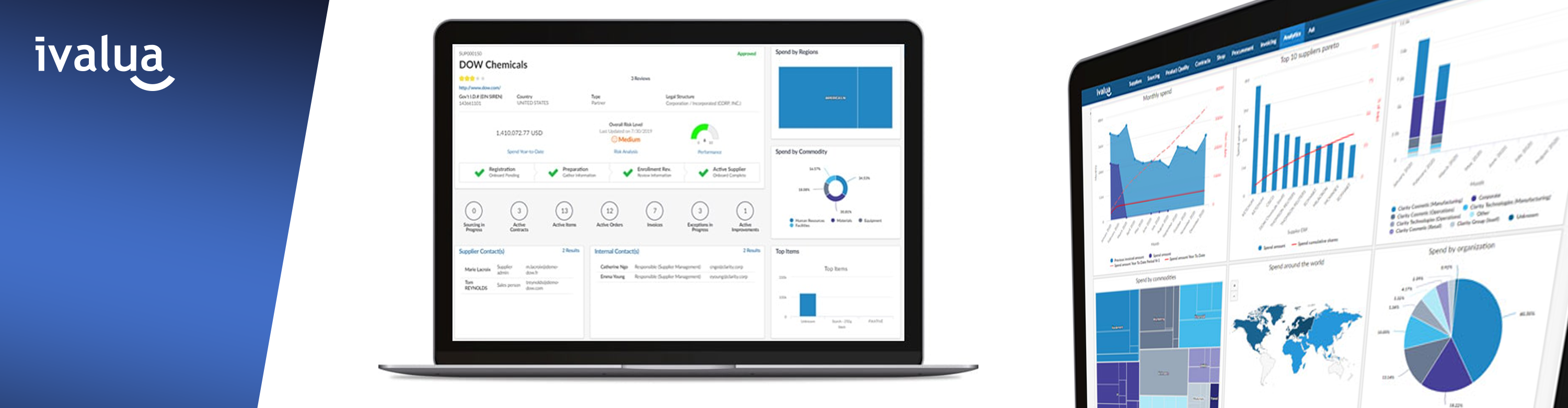
We will also show you how Ivalua’s Supplier Management solution can help to streamline vendor procurement processes, enforce governance, and drive better supplier outcomes at every stage.
Key Takeaways
- A strategic vendor selection process in procurement reduces risk, ensures quality, and strengthens supply chain resilience across both direct and indirect procurement.
- Using clear vendor evaluation criteria and performance benchmarks helps organizations identify reliable, cost-effective suppliers that align with long-term business goals.
- Ivalua’s Supplier Management solution streamlines the vendor selection process with automation, AI-powered research, and built-in tools for risk analysis, scoring, and collaboration.
What Is Vendor Selection?
Vendor selection – sometimes referred to as supplier selection – is the process of identifying, evaluating, and choosing the right vendors to supply goods or services that meet your organization’s requirements.
While ‘vendor’ and ‘supplier’ are often used interchangeably, vendor selection is distinct from ongoing vendor management, which focuses on monitoring and optimizing existing supplier relationships over time. A structured vendor evaluation process provides the repeatable framework procurement teams need to compare suppliers objectively across cost, capability, and risk.
This vendor selection process involves setting clear criteria based on quality, cost, reliability, and strategic fit, as well as assessing vendors’ capabilities and past performance. The goal is to ensure that chosen vendors support operational efficiency, mitigate risk, and drive long-term business value.
Effective vendor selection is particularly critical in procurement projects that involve complex sourcing, large-scale implementation, or high-value contracts.
By establishing a structured vendor selection process, procurement teams can make informed decisions that align with business objectives and reduce the likelihood of disruptions, delays, or quality issues.
Why Vendor Selection is Important
A vendor – also known as a supplier – is an individual or a company that provides goods or services to another company. Vendors play a crucial role in the supply chain, as they provide the necessary products and services that a business needs to operate.
Vendors can be involved in both direct and indirect procurement:
- Direct Procurement: This involves the purchase of raw materials, components or goods that are directly used in the production process or in delivering services. For example, a car manufacturer purchasing steel and engine components from vendors.
- Indirect Procurement: This includes the purchase of goods and services that are not directly related to the production process but are necessary for the business’s operations. Examples include office supplies, IT services and maintenance services.
Choosing the wrong vendor can result in higher costs and risk due to inefficiencies, poor-quality materials or services and delivery delays. These issues disrupt production schedules and can damage the company’s reputation.

Pro Tip
Learn more about direct and indirect procurement in our comprehensive guide.
Benefits of an Effective Vendor Selection Process
As part of sound vendor management, selecting vendors based on clear criteria ensures organizations partner with suppliers that deliver high-quality products or services. It helps to maintain consistent quality standards and meet customer expectations, which leads to a positive brand reputation and increased customer satisfaction.
A structured vendor selection procedure involves setting clear performance criteria and key performance indicators (KPIs), such as meeting delivery deadlines, the quality of goods or services and pricing structure. By defining these KPIs, businesses can better evaluate potential suppliers and make informed decisions, ensuring high standards are maintained.
By identifying reliable, low-risk vendors with proven track records, you can be confident products and services will be of high quality and delivered on-time, with minimal disruptions. You’ll be more successful at building long-term, collaborative partnerships and take advantage of opportunities for joint innovation and growth.
Pro Tip
Learn more about the benefits of an effective supplier performance management (SPM) program, to ensure vendors fulfill all project requirements.
What Are the Steps in the Vendor Selection Process?
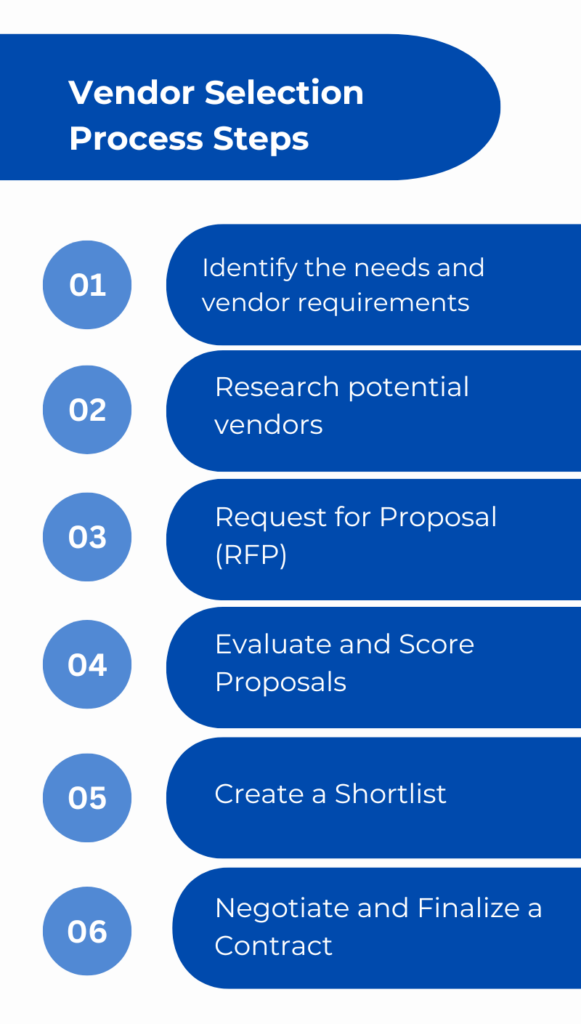
Embedding vendor selection within a broader strategic sourcing process ensures that supplier decisions align with category strategies and long-term business goals.
Let’s walk through the key steps in a solid vendor procurement process:
- Identify the needs and requirements: The first step is to determine what’s needed. For example, perhaps your company requires an upgrade to its IT infrastructure to enhance efficiency and productivity.
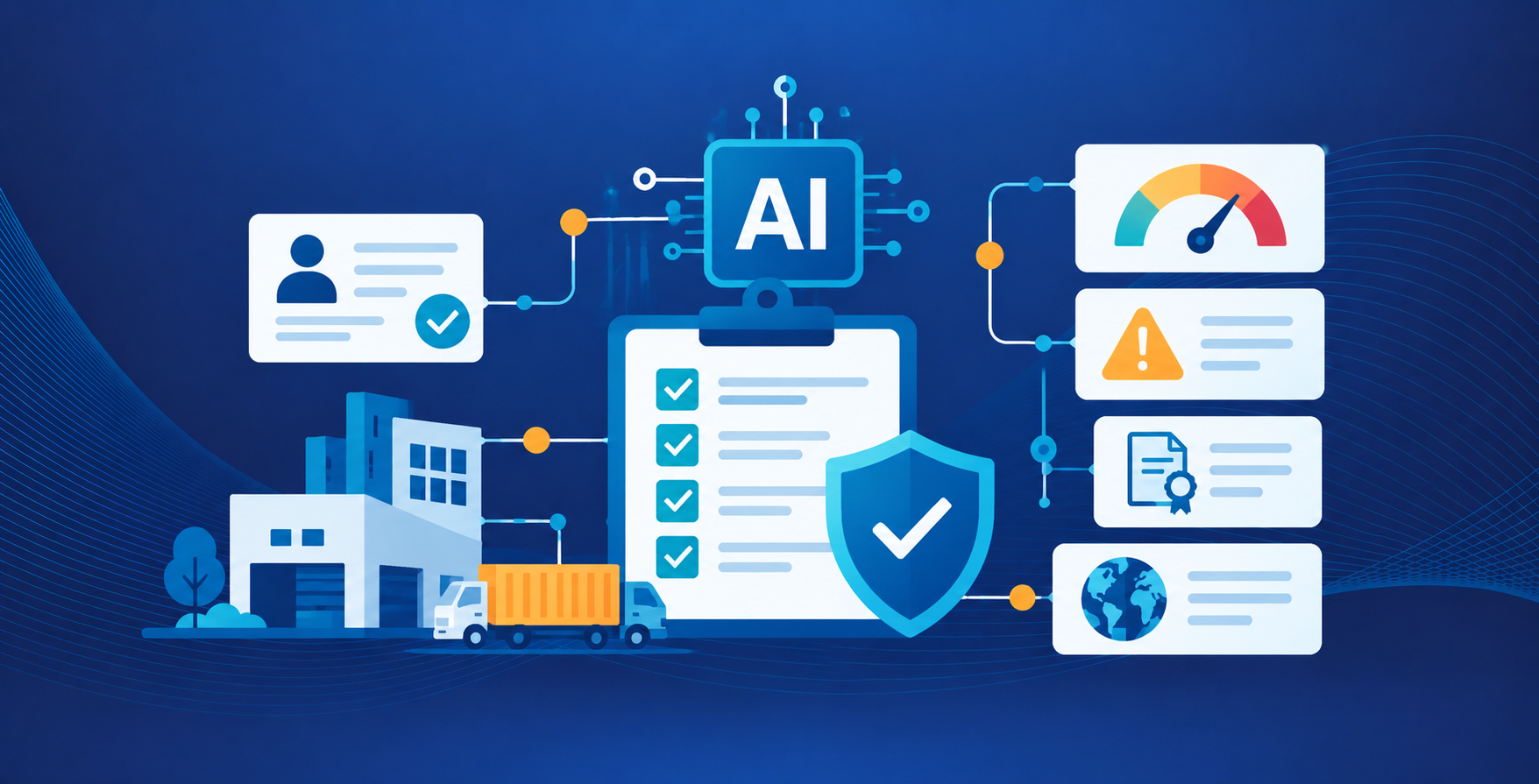
- Research potential vendors: Next, you need to gather information on different vendors’ capabilities, expertise, reputation and track record in IT infrastructure upgrades. Generative AI in procurement can dramatically reduce the time required to identify suitable suppliers by 90% or more.
- Request for Proposal (RFP): After identifying and screening vendors, prepare and distribute a detailed RFP outlining project requirements, goals, timelines, and vendor selection criteria — also referred to as supplier selection criteria in procurement contexts. Invite the vendors to submit proposals and manage any questions during the RFP process.
- Evaluate and Score Proposals: Once you receive the RFPs, you need to assess the proposals based on criteria such as technical expertise, proposed solutions, pricing, delivery timelines and past performance. Each proposal should be scored objectively against predefined criteria to facilitate comparison. Again, Artificial Intelligence can help speed up this process.
- Create a Shortlist: Once you’ve evaluated the RFPs, create a shortlist of top vendors then initiate negotiations around pricing, project scope, deliverables and contract terms.
- Negotiate and Finalize the Contract: Negotiate pricing, contract terms, and project scope with shortlisted vendors. Choose the vendor that best aligns with your project requirements and company goals and finalize the contract. Then kick off the onboarding process with your selected vendor, ensuring smooth integration into your operations. Clear expectations, training, and alignment on processes help secure a successful vendor partnership.
Vendor Selection Best Practices
There are different ways and processes to collect information about potential business partners and vendors.
Understanding RFI, RFP, and RFQ
| Document | Purpose | Best For | Detail Level |
|---|---|---|---|
| RFI | Gather general vendor info | Early market research | Low |
| RFP | Request detailed proposals | Complex projects/services | High |
| RFQ | Get price quotes | Standard products/clear specs | Medium |
RFP Vendor Selection Process Tips:
- RFI (Request for Information): Use early in the sourcing process to gather market insights and vendor capabilities.
- RFP (Request for Proposal): Use for complex projects where you need detailed proposals, technical specifications, and pricing. Include key components such as project scope, timelines, evaluation criteria, and scoring methodology.
- RFQ (Request for Quotation): Use when requirements are clear, and price comparison is the primary selection factor.
Common Mistakes to Avoid:
- Neglecting to define evaluation criteria upfront.
- Overlooking vendor questions or failing to clarify requirements.
- Choosing vendors solely based on cost without considering quality, reliability, or strategic fit.
Following these best practices ensures the RFP supplier selection process is structured, transparent, and aligned with your organizational objectives.
Pro Tip
Selecting software vendors differs from general procurement because it requires evaluating technical capabilities, integration potential, security, and scalability. Key considerations for the Software Vendor Selection Process include:
Security & Compliance: Assess security certifications, data protection measures, and regulatory compliance.
Integration & Compatibility: Ensure the software integrates seamlessly with existing systems, APIs, and workflows.
Scalability & Future-Proofing: Consider vendor roadmaps, support for increased usage, and ongoing updates.
Demo Best Practices: Conduct structured demos with clear scenarios, scoring vendor responses objectively, and engaging key stakeholders.
Using a structured software vendor selection process helps IT and procurement teams identify solutions that meet both technical and business needs, reducing implementation risks and enhancing adoption.
Vendor Selection Criteria Checklist
The following checklist outlines and describes recommended criteria for evaluating vendors. The vendor evaluation criteria you choose for your evaluation will depend on your company’s specific goals and objectives.
| Criteria | Description |
| Experience, Expertise, and Capabilities | Evaluates the vendor’s experience in the industry and their expertise in providing the required goods or services. This includes assessing their track record, past projects and specialized knowledge, and capabilities (e.g., technical and process knowledge, equipment, etc.) to deliver/produce products and services. |
| Quality of Products/Services | Assesses the quality of the products or services offered by the vendor. Examines factors such as product/service specifications, certifications, compliance with industry standards and any quality assurance processes in place. |
| Pricing | Consider the total landed and lifetime cost of products or services provided by the vendor. Includes evaluating pricing structures, pricing competitiveness in the market, transparency in pricing and any discounts or incentives offered for bulk purchases or long-term contracts. |
| Delivery Timelines | Examines the vendor’s ability to deliver products or services within the required timeframe. Assesses lead times, delivery schedules, shipping options and any guarantees or penalties associated with meeting or exceeding delivery deadlines. |
| Reliability | Assesses the vendor’s reliability in fulfilling orders and meeting commitments. Includes evaluating reputation for on-time delivery, consistency in product/service quality, responsiveness to inquiries and ability to handle unexpected challenges or disruptions. |
| Financial Stability | Evaluates the vendor’s financial health and stability. Examines factors such as profitability, liquidity, debt levels, cash flow and creditworthiness. (A financially stable vendor is less likely to face financial difficulties that could impact their ability to fulfill orders.) |
| Scalability | Considers the vendor’s capacity to scale production or services to meet future demand. Ensures the vendor can accommodate business growth or fluctuations in demand without compromising quality, timelines or pricing. |
| Compatibility | Assesses the compatibility between the vendor’s offerings and the organization’s needs, goals and values. Examines factors such as cultural fit, communication style, technological compatibility and alignment with corporate social responsibility (CSR) goals. |
| Customer Service | Evaluates the vendor’s customer service capabilities and responsiveness. Assesses the ease of communication, accessibility of support channels, responsiveness to inquiries or issues and willingness to collaborate and address customer concerns proactively. |
| Innovation | Consider the vendor’s ability to innovate and offer new solutions, technologies or approaches that can bring added value to the organization. Examines the vendor’s track record of innovation, investment in research and development and willingness to collaborate on innovation initiatives. |
Aligning your evaluation framework with broader supplier selection criteria ensures consistency across sourcing categories and reduces subjective bias in decision-making.
Depending on your industry or specific use case, certain vendor selection criteria may carry more weight—here’s a breakdown of additional factors to consider when evaluating suppliers across different sectors.
Industry-Specific Vendor Selection Criteria
| Industry/Use Case | Additional Selection Criteria |
|---|---|
| Workplace Food Services | Health/safety certs, menu customization, dietary accommodation |
| Bulk Raw Materials | Volume capacity, quality consistency, logistics, price stability |
| Software/IT | Security compliance, API/integration, uptime SLAs, roadmap |
| Contract Negotiation Support | Legal expertise, industry experience, success rate, fee structure |
| Process Automation | Technical compatibility, change management, training, ROI metrics |
| Quality Control (QC) | Testing certifications, inspection capabilities, defect rate history |
These criteria help procurement professionals identify vendors that align with the organization’s objectives, deliver high-quality products or services and provide value-added benefits beyond just cost considerations.
Pro Tip
For a comprehensive approach to supplier risk and performance management, download Ivalua’s Supplier Risk and Performance Management Checklist.
Practical Tips for Implementing a Vendor Selection Process
Procurement teams can optimize their vendor selection process by adopting practical strategies tailored to their sourcing projects. Here are some useful tips:
- Establishing Clear Collaboration & Communication Channels: Collaboration is critical to any successful partnership, and communication is a large component of this process. Effective communication is key to successful vendor relationships, aligning everyone on expectations and deadlines. Using tools like email, project management software, and regular video calls can help maintain clarity and consistency. Establishing these channels early on helps prevent misunderstandings and ensures smooth collaboration.
- Building Long-term Relationships: Long-term vendor partnerships offer advantages such as improved pricing and more resilient supply chains. To build and maintain these relationships, businesses should focus on supplier enablement, schedule regular check-ins, encourage open feedback, and collaborate on shared goals. Addressing challenges promptly fosters trust and strengthens supplier relationships
- Regular Performance Review and Feedback: Setting supplier performance benchmarks and conducting regular reviews ensures vendors meet expectations. For a deeper look at how to structure this ongoing evaluation, see our guide to supplier performance management. Maintaining open, ongoing communication helps clarify needs, driving better performance and strengthening the partnership.
Ivalua’s supplier management software, leverages the capabilities of Generative AI to expedite supplier research and gather pertinent information on potential vendors and their offerings.
Establishing supplier relationship management practices early in the vendor lifecycle helps organizations transition smoothly from selection to ongoing collaboration.
Speed up Vendor Selection With Ivalua
Ivalua’s Supplier Management Software and Sourcing Solution can save you time in the vendor selection process so that you can focus on more strategic tasks. Below are some concrete examples:
- By automating scoring templates, questionnaires and campaigns, the software significantly reduces the manual effort required from procurement professionals, streamlining the sourcing process, and cutting down on the time and resources needed to evaluate potential suppliers.
- Ivalua provides robust tools for analyzing supplier risk and performance throughout the entire supplier lifecycle, helping you to identify and mitigate risks early and ensuring reliable supplier performance.
- Ivalua offers intuitive tools for managing vendor selection campaigns, including templates, communications, stakeholder evaluations and project management features, to simplify the process of coordinating and executing supplier management campaigns.
- Benefit from proven sourcing tools, like sourcing optimization, that streamline and automate the review and analysis process for supplier proposals and the selection process. Ivalua enables buyers to evaluate quantitative and qualitative data, ensuring that price, risk, performance, ESG, and any other considerations are considered, and then a contract is rapidly negotiated and executed.
By centralizing and standardizing these core processes, Ivalua’s solutions enable organizations to achieve significant time and cost savings while maintaining high standards of supplier performance and risk management. Watch this brief video to learn more about Ivalua’s vendor management software.
Choose the Right Vendors for Your Business
With a formal vendor selection process in place – and with the help of Ivalua’s Supplier Management software – you can mitigate risks, optimize operational efficiency, and foster strategic partnerships with vendors.
Master the Vendor Selection Process
FAQs
It’s a structured approach used by procurement teams to identify, assess, and choose suppliers that best meet an organization’s needs. The process involves defining requirements, researching vendors, issuing RFPs, scoring proposals, and finalizing contracts.
An effective vendor selection process ensures that organizations partner with reliable, cost-effective suppliers that meet quality, delivery, and compliance standards. This reduces operational risk and improves performance.
1. Needs identification
2. Supplier research and shortlisting
3. Proposal evaluation and selection
4. Negotiation and contracting
Procurement platforms like Ivalua help automate RFP workflows, centralize supplier data, and streamline scoring and evaluations. These tools also provide risk insights and performance metrics to support more informed supplier decisions.
Vendor selection is the process of choosing a supplier before a contract is signed. Vendor evaluation refers to the ongoing assessment of supplier performance, compliance, and value after the relationship has begun.
Initial vetting stage that filters suppliers before formal evaluation. Assesses financial stability, compliance certifications, and capacity. Saves time by eliminating unqualified vendors early.
Simple purchases: 2-4 weeks. Enterprise software/strategic partnerships: 3-6 months. Factors: stakeholder alignment, RFP complexity, number of vendors, negotiation requirements.
Selection = pre-contract process of choosing suppliers. Management = post-contract relationship oversight, performance monitoring, risk management.
Security compliance, integration capabilities, scalability, implementation support, vendor financial stability, product roadmap, support quality, total cost of ownership.
Focus on delivery capability, relevant experience, resource availability, communication. Use weighted scoring matrices aligned with project requirements.
AI reduces research time by up to 90%, automates proposal scoring, identifies risk factors, provides predictive analytics. Automation streamlines RFP distribution and collaboration